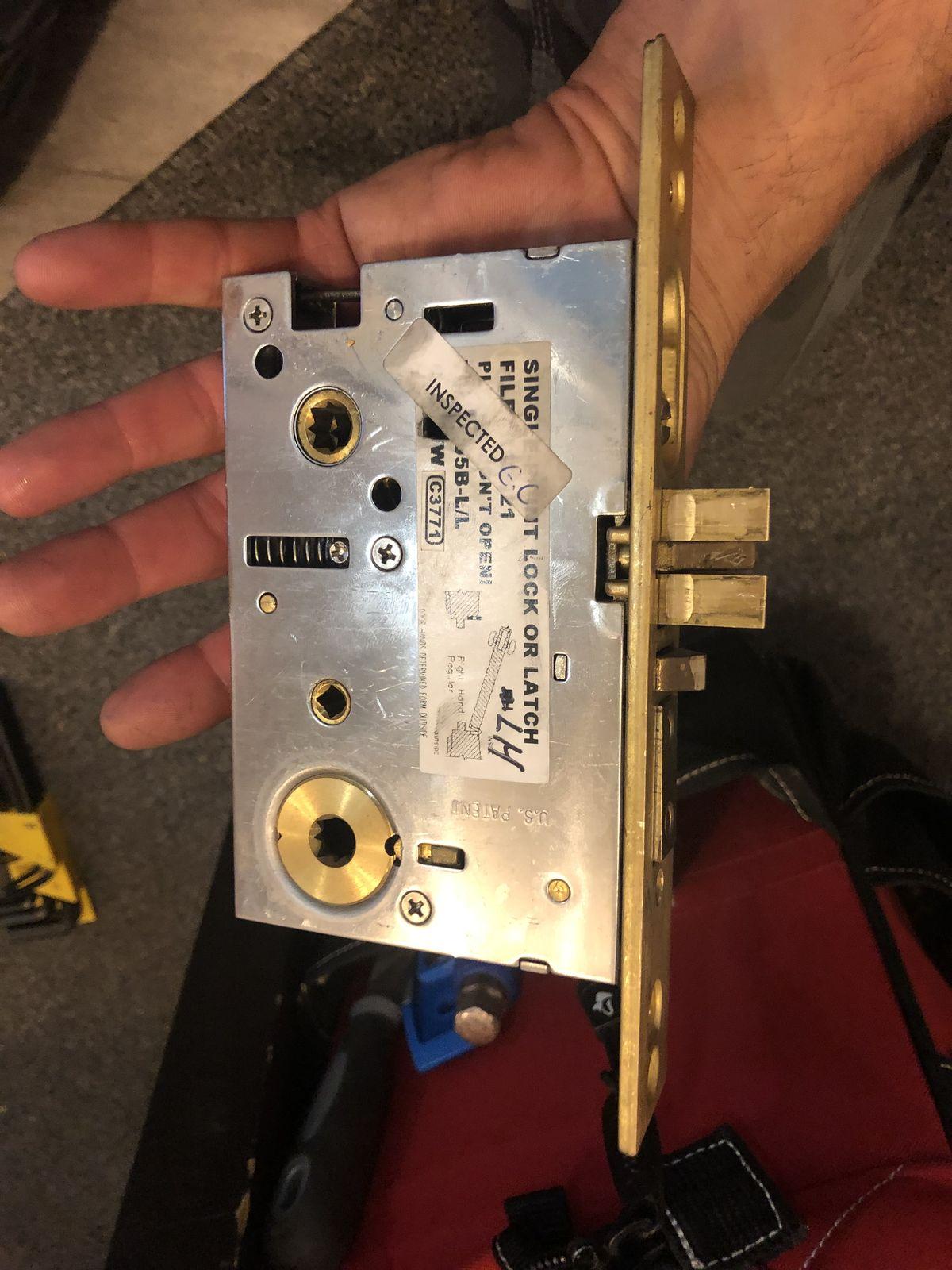
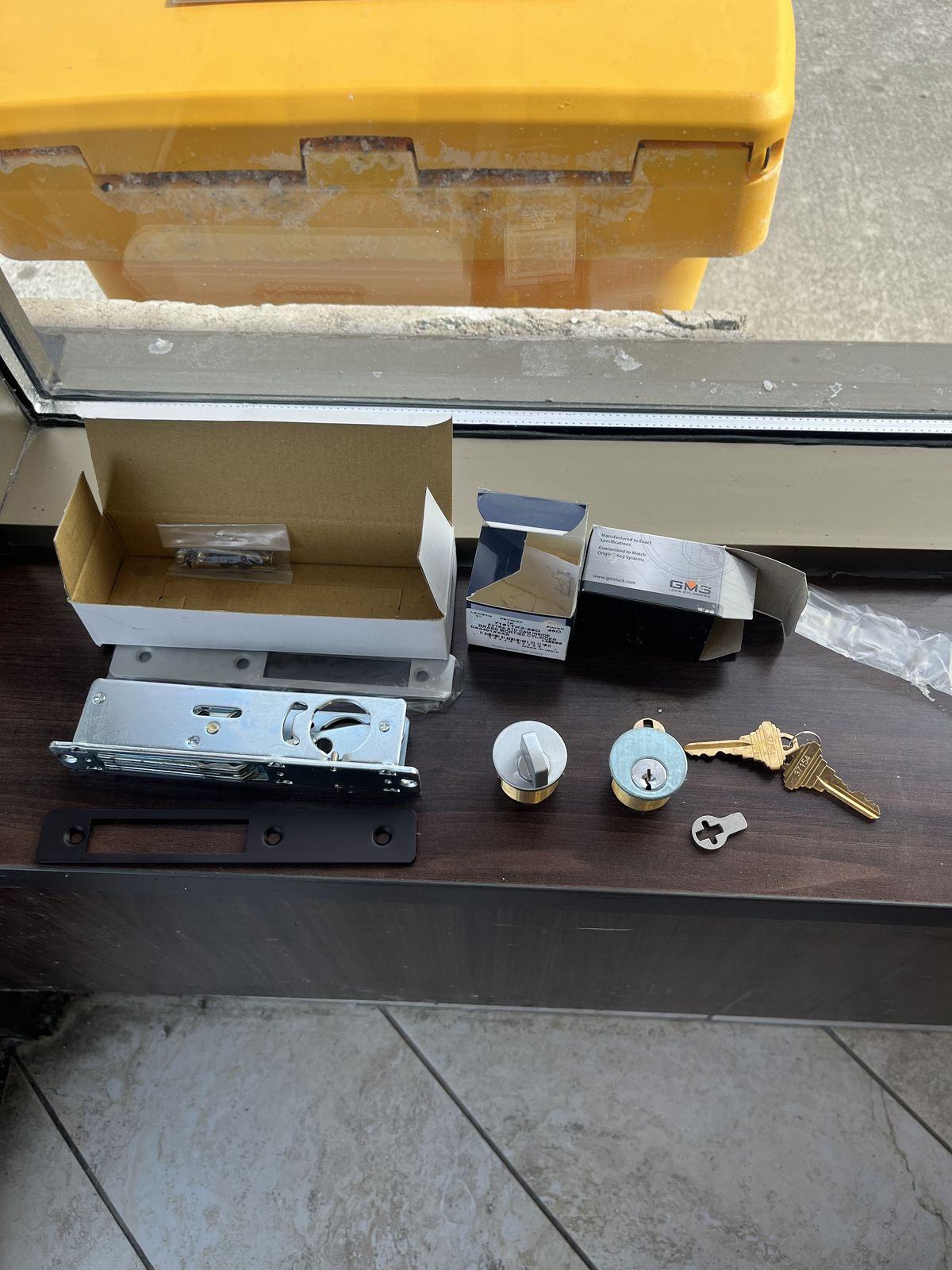
Cylinder service and key extraction setup
Stop Before You Make It Worse
A key snapping off inside a lock is one of those moments that triggers an instinctive reaction: pull, wiggle, dig at it with whatever's nearby. Unfortunately, that instinct is exactly what turns a fixable problem into a more expensive one. The most important first step is to stop and resist the urge to force anything further into or out of the cylinder.
Why Keys Break in the First Place
Keys usually don't snap for no reason. A few common causes explain most of the broken key calls we get across Ottawa:
- Cold weather. Both keys and lock pins become more brittle in cold temperatures, which is why we see a noticeable spike in broken key calls through the winter months.
- Worn or bent keys. A key that's been carried loose in a pocket for years, bent slightly, or worn down at the edges is more prone to snapping under normal turning pressure.
- A stiff or partially frozen lock. Forcing a key through resistance, whether from cold, rust, or debris inside the cylinder, is one of the most common ways a key actually breaks.
- Cheap or poorly cut key blanks. Some replacement keys, especially inexpensive ones cut at big-box hardware stores, are made from softer metal that's more prone to snapping than a quality blank.
What Not to Do
Don't reach for pliers, tweezers, or a knife to try to grab the broken piece yourself. These tools can push the broken fragment further into the cylinder, scratch the internal pins, or damage the mechanism in ways that turn a simple extraction into a full lock replacement. Don't spray excessive oil or lubricant into the keyhole either, hoping it'll loosen the piece, since this often just adds mess without solving the underlying problem.
What Actually Works
A locksmith uses specialized extraction tools designed specifically to grip and remove a broken key fragment without damaging the surrounding pins or cylinder. This is a quick job for a professional in most cases, often resolved in a matter of minutes once we're on site. If the lock itself was already compromised, worn, rusted, or the source of the breakage in the first place, we'll walk you through whether a simple extraction and new key is enough, or whether it makes sense to rekey or replace the lock at the same time.
If You're Locked Out Because of It
A broken key inside the lock often means you're now locked out, since the broken piece can prevent the door from opening even if you have a spare. This becomes an emergency locksmith situation rather than a next-day appointment, especially if it happens on a cold night or you have no other way into the home. Emergency locksmith service is built for exactly this kind of situation.
Preventing It From Happening Again
A few habits reduce the odds of a repeat:
- Lubricate exterior locks each fall with graphite or silicone lubricant, since a stiff cylinder is a major contributor to broken keys.
- Replace visibly worn or bent keys before they become a problem, rather than continuing to use a key that's clearly seen better days.
- Never force a key that meets resistance. Stop, try a small amount of lubricant, and if it still won't turn smoothly, call a professional rather than pushing harder.
- Have quality replacement keys cut from a reputable locksmith rather than the cheapest blank available, particularly for keys used daily on your main entry door.
Final Word
A broken key inside your lock feels like a bigger problem than it usually is, provided you resist the urge to dig it out yourself. Stop, call a professional, and in most cases you'll have a working door again within a short visit.
Can-Lock Security provides emergency key extraction and lock service across Ottawa, including Kanata, Nepean, Barrhaven, Stittsville, and Orleans, as well as Arnprior, Renfrew, and the GTA including Toronto, Mississauga, and Brampton. If your key has broken off in the lock, call us right away.
Ottawa: 613-908-8815 | Toronto/GTA: 647-975-1702
Suggested internal links: Emergency Locksmith, Residential Locksmith, Lock Repair, Rekeying, Lock Replacement
FAQs
Open a question for a short answer.
It's possible with the right tools, but without proper extraction equipment, most DIY attempts push the fragment further in or damage the internal pins, making the job harder and more expensive for a locksmith to fix afterward.
Cold temperatures make both keys and internal lock components more brittle, and a stiff or partially frozen lock increases the force needed to turn a key, which raises the odds of it snapping.
Not usually. In most cases, a locksmith can extract the broken piece and cut you a new key without needing to replace the lock itself, unless the lock was already compromised or very worn.
Yes, especially if it leaves you locked out of your home with no other way in. Emergency locksmith service is designed for exactly this kind of situation.
Keep locks lubricated, avoid forcing a stiff key, and replace visibly worn keys before they fail rather than continuing to use them.