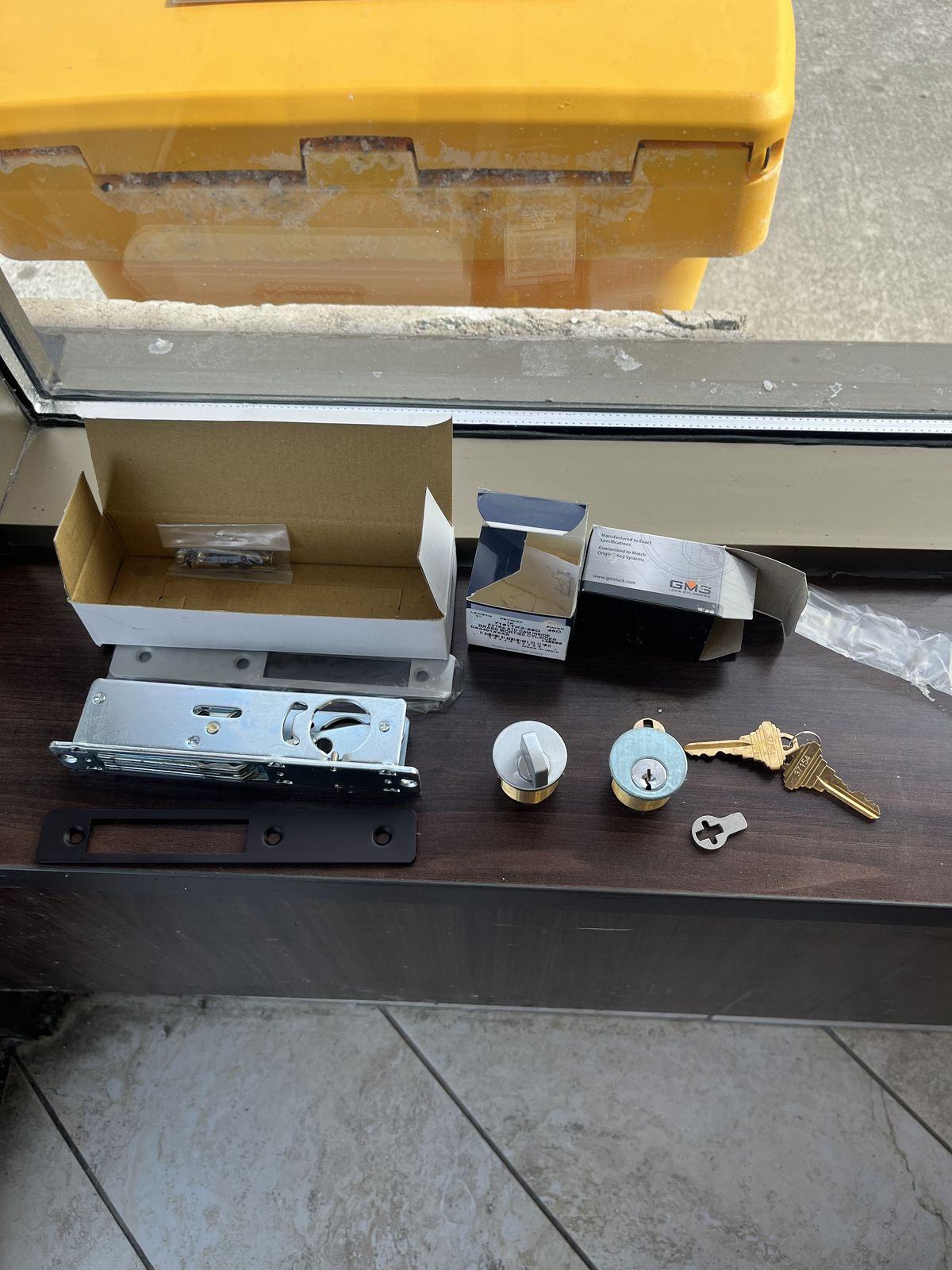
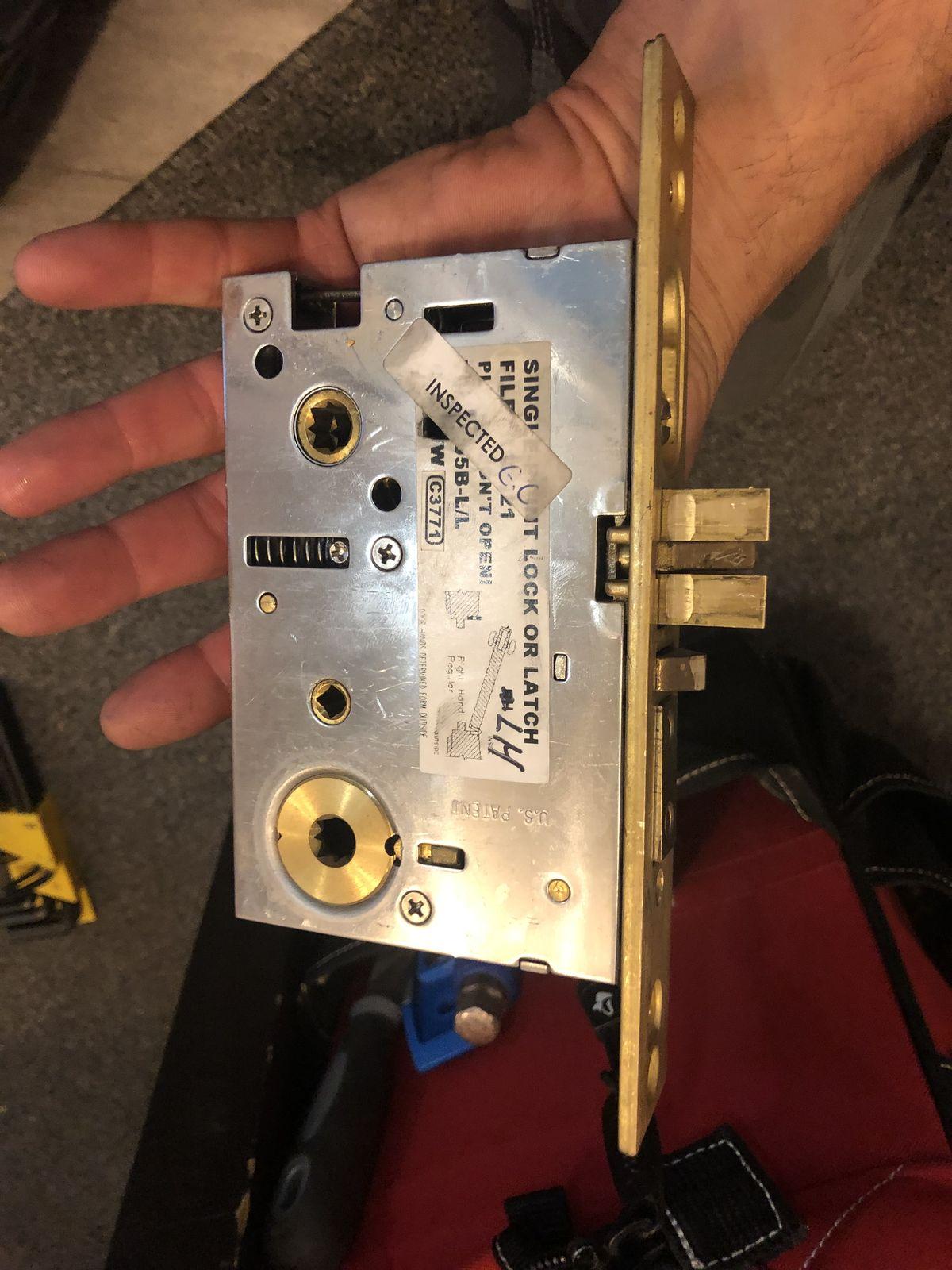
Lock service and inspection
Locks Are Maintenance Items, Not Set-and-Forget Hardware
Most homeowners and business owners install a lock once and never think about it again until it stops working. That's understandable, since locks are built to be low-maintenance, but low-maintenance isn't the same as no-maintenance. A lock that gets a small amount of attention once or twice a year lasts significantly longer, and fails far less often, than one that's simply left alone until it breaks.
A Realistic Maintenance Schedule for Homes
For a typical Ottawa home, this is a schedule that actually holds up:
- Annually, in early fall: Lubricate all exterior locks, check that deadbolts throw fully, and confirm every exterior door closes and locks without resistance.
- Every 6 months: A quick visual check for rust, looseness, or wear, especially on the most-used entry door.
- Every 10-15 years: Plan for full replacement of exterior locks, even if they're still functioning, since internal wear accumulates whether or not it's visible.
- Immediately after any change in household: Rekey after a move, a lost key, a break-in, or any point where you're not fully certain who holds a working key.
What Residential Wear Actually Looks Like
Residential locks wear down through a combination of daily use, weather exposure, and age. The front door, used dozens of times a day by a busy family, wears faster than a side door used a few times a week. Locks on north-facing or unsheltered doors tend to take more moisture damage over the years than ones with some overhang protection. None of this means you need to inspect obsessively, but it does mean the "one schedule fits every lock" assumption doesn't quite hold. Your most-used, most-exposed doors deserve more frequent attention than a rarely used shed or garage door.
Commercial Locks Wear Differently
Commercial properties across Ottawa, from downtown offices to retail units in Kanata and Barrhaven, see a different wear pattern entirely. Higher daily traffic through main entrances, multiple employees with keys or codes, and often less consistent maintenance ownership (nobody's specific job is "check the locks") all combine to accelerate wear compared to a typical home. Commercial doors also tend to see more forceful use, propped-open doors, and higher-security requirements depending on what's inside.
For commercial properties, we generally recommend:
- Quarterly checks on main entrance hardware, given the volume of daily use.
- Rekeying with every staff departure that involved key access, not just management changes.
- Annual review of who holds keys or codes, since staff turnover often outpaces anyone's memory of exactly who has access.
- Earlier replacement cycles, often in the 7-10 year range for high-traffic commercial doors, compared to residential timelines.
Seasonal Inspections Worth Building Into Your Routine
Ottawa's seasons put different stress on locks at different times of year, which is why a single annual check misses some of what's actually happening:
- Fall: The most important check of the year. Lubricate before the first freeze and confirm everything is functioning before winter stress begins.
- Winter: A lighter mid-season check, focused on battery levels for smart locks and watching for any new stiffness or resistance.
- Spring: After a full winter of freeze-thaw cycles and road salt exposure, this is the season most likely to reveal accumulated wear, rust, or a lock that's due for replacement.
- Summer: The lowest-stress season for locks, but a reasonable time to plan and schedule any replacements identified in spring, before fall arrives again.
When Maintenance Isn't Enough Anymore
Maintenance extends a lock's life, but it doesn't extend it indefinitely. If a lock has visible rust that lubrication hasn't resolved, a cylinder with noticeable play, or a bolt that no longer throws fully even after adjustment, you've moved past the point where maintenance helps and into the point where replacement is the more reliable, and ultimately more cost-effective, path forward.
Building a Simple Log for Your Property
For commercial properties especially, keeping a simple log of when each lock was last serviced, rekeyed, or replaced makes a real difference over time. It removes the guesswork of "how old is this lock, really?" and makes it much easier to plan replacements proactively rather than reactively, whether that log lives in a spreadsheet or with your property management software.
Final Word
A lock that gets a little bit of attention once or twice a year will almost always outlast one that's ignored until it breaks. Whether you're managing a single home or a commercial property with dozens of doors, a simple, consistent maintenance schedule is the cheapest security investment available.
Can-Lock Security provides residential and commercial lock maintenance, rekeying, and replacement across Ottawa and every surrounding community, including Kanata, Nepean, Barrhaven, Stittsville, Orleans, Arnprior, and Renfrew, plus the GTA including Toronto, Mississauga, and Markham. If it's been a while since your Ottawa home or business had its locks checked, we're happy to take a look.
Ottawa: 613-908-8815 | Toronto/GTA: 647-975-1702
Suggested internal links: Residential Locksmith, Commercial Locksmith, Lock Repair, Rekeying, Lock Replacement
FAQs
Open a question for a short answer.
A yearly lubrication and function check in early fall covers most homes well, with a lighter mid-year visual check on your most-used doors.
Generally yes, given higher daily traffic and more people with access. Quarterly checks on main entrances and rekeying after any staff departure with key access is a solid baseline.
If lubrication and adjustment no longer resolve sticking, rust, or looseness, or if the lock is well past the ten to fifteen year mark, replacement is usually the more reliable option.
If that employee had key access, yes. It's a small cost compared to the risk of an unaccounted-for key still working on your property.
Waiting until a lock actually fails before doing anything. Most lock problems give warning signs well in advance, and a small annual check catches nearly all of them.