Security hardware upgrade after forced entry
Your Safety Comes First
The moment you realize your home has been broken into, whether you're standing in the driveway noticing a shattered window or you've walked in to find drawers pulled open, the first decision matters more than any other: don't go further inside. If there's any chance someone is still in the house, back away, get somewhere safe, and call 911. In Ottawa, our team has arrived at scenes where homeowners walked through the whole house checking for damage before calling anyone, and that's exactly the situation you want to avoid. Assume the worst until you know otherwise.
Once you're safely outside and police have been called, resist the urge to touch anything near the point of entry. A damaged door lock, a pried-open window, or scattered belongings are all potential evidence, and moving through the scene before police arrive can complicate their investigation.
Call the Police and Get a Report Number
Every break-in should be reported, even if nothing appears to be missing. A police report does two things: it creates an official record for your insurance claim, and it feeds into local crime data that helps police watch for patterns in your neighbourhood. Ottawa police, like most services across Ontario, will ask you to stay out of the house until an officer has assessed the scene, so plan to wait outside or in your car if the weather allows.
Document Everything Before You Touch Anything
Once police have cleared the scene and given you the go-ahead, take photos of every point of damage before you start cleaning up or making repairs. This includes the compromised lock or door, any broken glass, and anything disturbed inside. Insurance adjusters move faster with clear documentation, and photos taken immediately after the incident carry more weight than a description written days later from memory.
Contact Your Insurance Provider
Call your home insurance provider as soon as you have a police report number. Most policies cover break-in damage and stolen property, but the claims process moves faster when you report promptly and have documentation ready. Ask specifically whether your policy covers emergency board-up or temporary security measures, since many do, and that coverage can offset the cost of an emergency locksmith visit the same night.
Secure the Point of Entry Immediately
This is where we come in, and it's often the most urgent practical step after the police leave. A compromised door, whether the lock was picked, drilled, or the frame itself was damaged during forced entry, cannot simply be left as-is overnight. An emergency locksmith visit to board up, repair, or temporarily secure the affected door or window keeps your home safe while you sort out permanent repairs and replacement.
Rekey or Replace Every Exterior Lock
Even if the break-in happened through a window or a different door than your main entry, we recommend rekeying or replacing every exterior lock on the property, not just the compromised one. If a key was stolen along with other belongings, or if there's any chance the intruder gained access to spare keys inside the home, every existing key becomes a liability the moment that happens. This is one of the most common oversights we see: homeowners fix the damaged door but leave the rest of the house keyed the same way it always was.
Assess Whether Upgrades Make Sense
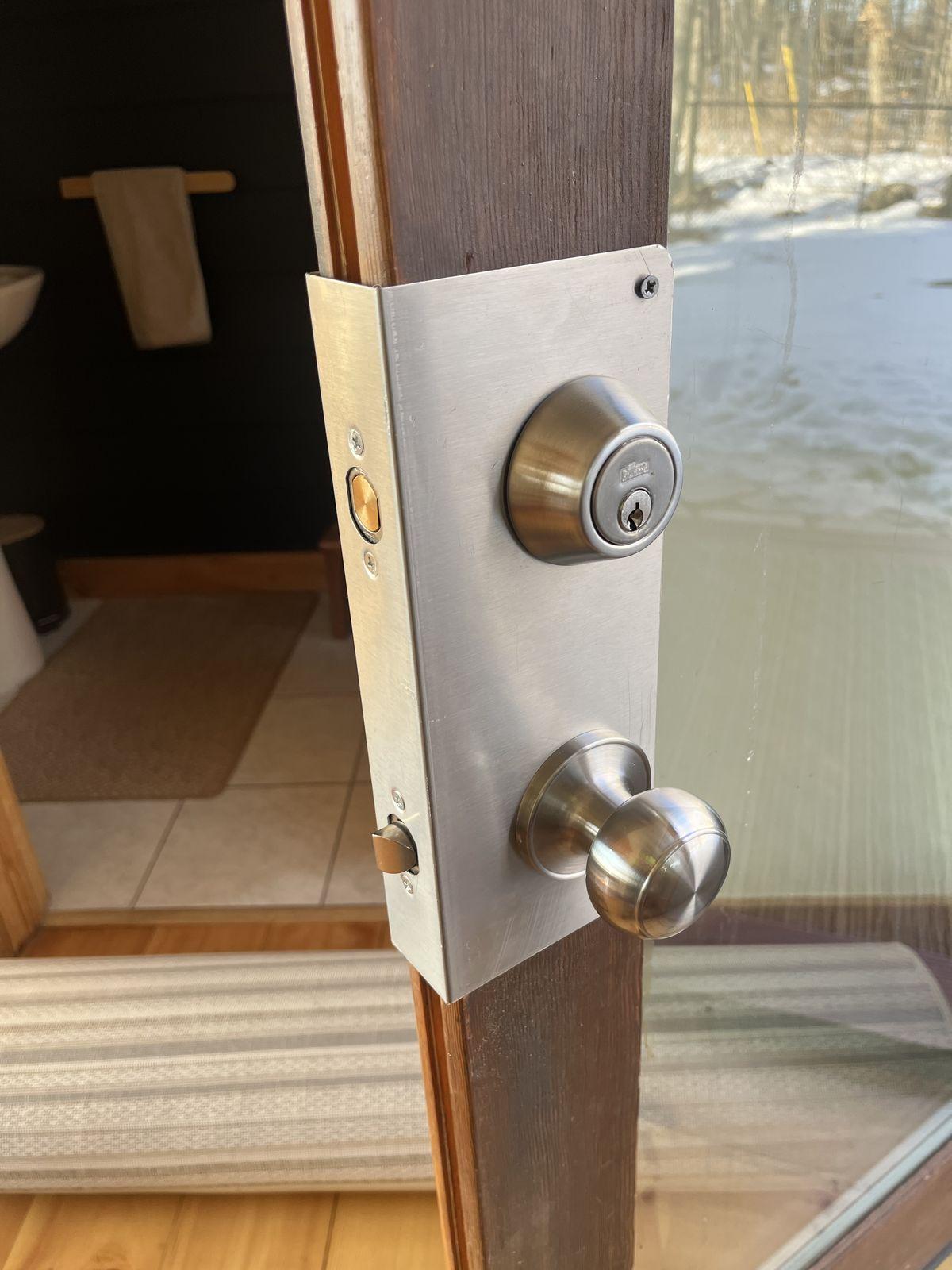
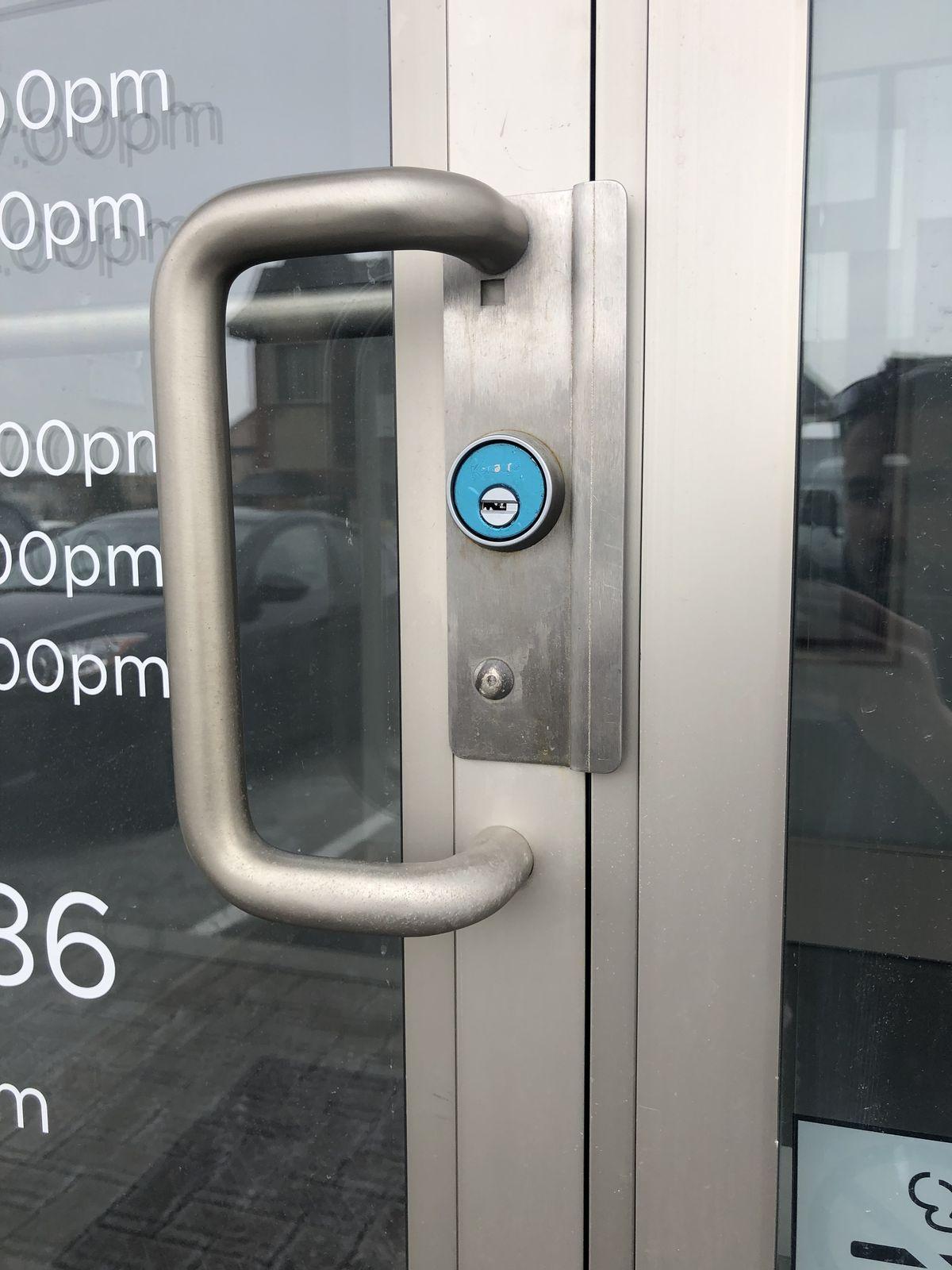
A break-in is, unfortunately, often the moment homeowners finally address security gaps they'd been meaning to fix for years. If the point of entry was a weak sliding door latch, a low-security deadbolt, or a door frame that gave way too easily to a kick, this is the time to talk through upgrades: high-security locks, reinforced strike plates, or a smart lock with activity logging so you have better visibility going forward. Many Ottawa homeowners choose to combine their post-break-in repair with a broader security upgrade, since a locksmith is already on site assessing the damage.
Talk to Your Neighbours
If your home was targeted, it's worth letting neighbours know, both so they can be more alert to unfamiliar vehicles or activity on the street, and because break-ins sometimes happen in small clusters within the same neighbourhood over a short period. A quick conversation or a note in a community group can help everyone stay more aware for the following few weeks.
Give Yourself Time to Process It
Beyond the practical steps, a break-in is an unsettling experience, and it's normal to feel uneasy in your own home for a while afterward. Taking the security steps above, seeing the locks replaced and the point of entry properly repaired, tends to help homeowners feel that sense of safety return faster than simply waiting for the feeling to pass on its own.
Final Word
A break-in is one of the most stressful experiences a homeowner can go through, but the right sequence of steps, safety first, then police, documentation, insurance, and a full security reset, gets your home back to secure and your household back to feeling settled as quickly as possible.
Can-Lock Security provides emergency locksmith service around the clock for homeowners across Ottawa and every surrounding community, including Kanata, Nepean, Barrhaven, Stittsville, Orleans, Arnprior, and Renfrew, plus the GTA including Toronto, Mississauga, Brampton, and Vaughan. If you've experienced a break-in, we can help secure your home and get your locks reset immediately.
Ottawa: 613-908-8815 | Toronto/GTA: 647-975-1702
Suggested internal links: Emergency Locksmith, Rekeying, Lock Replacement, High-Security Locks, Door Repair, Emergency Door Repair
FAQs
Open a question for a short answer.
No. Wait for police to assess the scene first, since disturbing the area can affect the investigation and any evidence they're able to gather.
We recommend rekeying or replacing every exterior lock, not just the one at the point of entry, especially if there's any chance keys were accessible inside the home.
Many policies do, particularly for emergency board-up and securing the property, but it varies by provider. Confirm with your insurer, and keep your locksmith invoice and photos as part of your documentation.
Emergency locksmith service is typically available around the clock, and most call-outs for a compromised entry point can be handled the same day, often within a few hours.
Yes, this is a common reaction. Taking concrete security steps, like repairing the point of entry and rekeying the home, often helps that feeling ease more quickly than time alone.