A padlock looks like the simplest piece of hardware in the whole security conversation, and that's exactly why it gets picked wrong so often. The padlock hanging on a storage unit, a trailer hitch, a gate, or a warehouse shipping door needs to match what it's actually protecting, and the gap between a bargain-bin padlock and a properly rated one is much larger than the price tag suggests. Can-Lock Security supplies, keys, rekeys, and repairs padlocks across Ottawa and the GTA.
Understanding Padlock Construction
Three things determine how well a padlock actually resists an attack: the body, the shackle, and the locking mechanism inside.
- Body material. Solid brass and hardened steel bodies resist drilling and sawing far better than the die-cast alloy bodies common in cheap multi-packs. A drill that goes through a budget body in seconds can take several minutes on a hardened one, and several minutes is often the difference between a deterred attempt and a successful one.
- Shackle design. A long, exposed shackle gives bolt cutters or a hacksaw plenty of room to work. A shrouded or close-shackle padlock covers most of the shackle within the body itself, leaving almost nothing for cutting tools to grip. For anything of real value, shackle protection matters more than most buyers realize.
- Shackle diameter and material. Thicker, hardened steel shackles resist both cutting and prying attacks better than the thin shackles found on decorative or low-cost padlocks.
- Locking mechanism. Pin tumbler mechanisms with more pins, and disc-detainer mechanisms in particular, resist picking and bumping considerably better than the simple wafer mechanisms in entry-level padlocks.
Matching the Padlock to the Job
We get calls across a wide range of uses, and the right padlock looks different for each:
- Storage units — a shrouded, hardened-steel padlock is the baseline; many storage facilities now require disc-lock style padlocks specifically because their round profile resists bolt cutters almost entirely.
- Sheds and outbuildings — a mid-weight shrouded padlock paired with a heavy-gauge hasp, since a strong padlock on a weak hasp is still an easy target.
- Trailers and equipment — coupler locks and hitch-specific padlocks designed to resist both cutting and simply unhitching the trailer.
- Gates and fencing — weatherproof, freeze-resistant padlocks that hold up to Ottawa Valley winters without seizing.
- Commercial and warehouse doors — higher security-rated padlocks, often keyed alike or master-keyed across multiple entry points for easier staff access management.
- Bikes and lighter-duty use — combination or keyed padlocks sized more for convenience than maximum resistance, though even here, a disc-style lock beats a cable lock against a determined attempt.
Rekeying, Keying Alike, and Master-Keyed Padlocks
If you're managing several padlocks — across storage units, gates, or a fleet of trailers — carrying a separate key for each one gets unmanageable fast. We offer:
- Rekeying, so an existing padlock works with a new key, useful after losing a key or after a tenant, contractor, or employee turnover where old keys can no longer be trusted.
- Keyed-alike systems, where multiple padlocks all open with the same single key, ideal for storage facilities, rental properties, and multi-gate rural properties.
- Master-keyed padlock systems for businesses, where individual padlocks each have their own key but a master key opens all of them — useful for property managers or facility supervisors who need broad access without issuing every staff member a full ring of individual keys.
Combination vs. Keyed
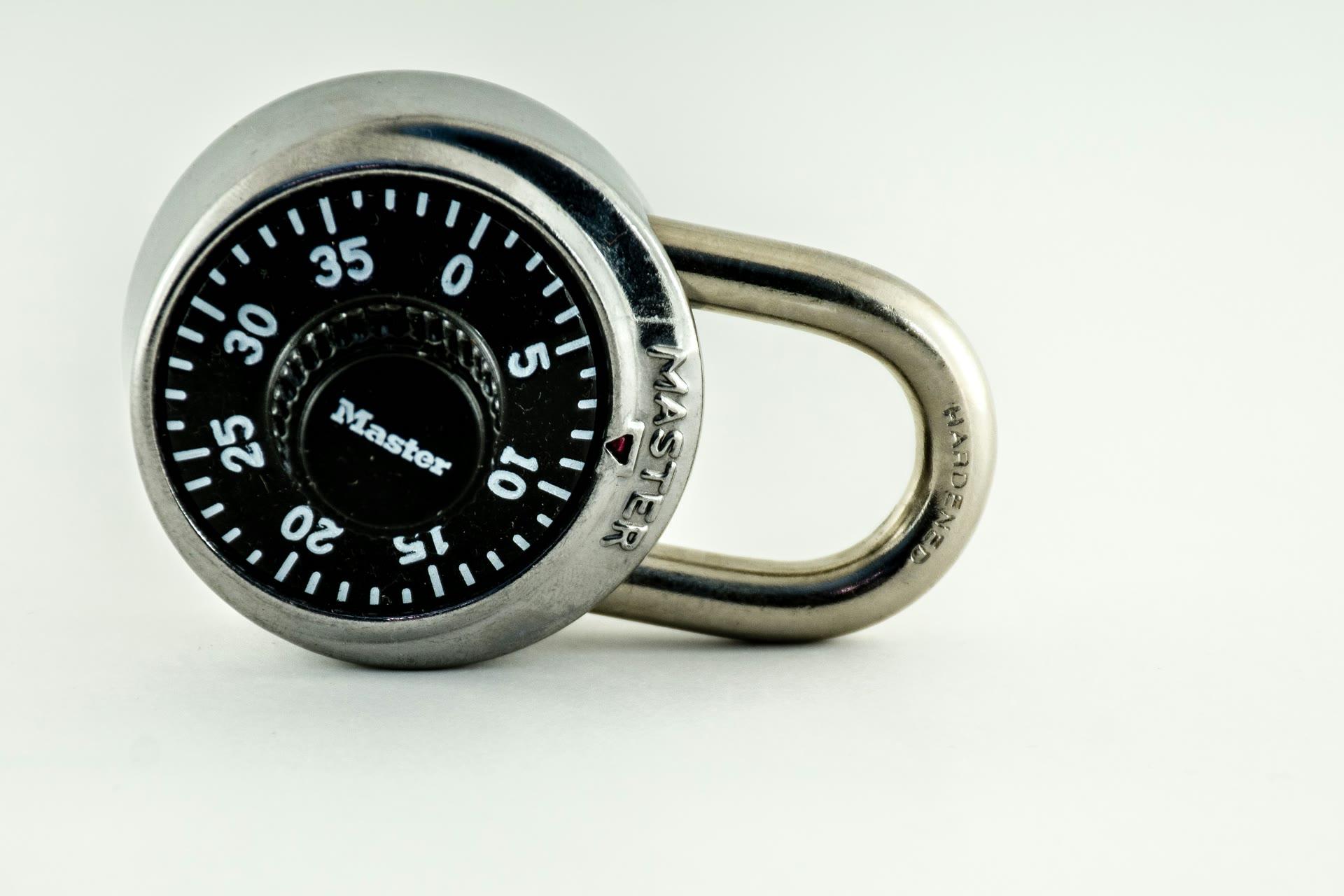
Combination padlocks remove the risk of a lost key but introduce the risk of a forgotten or shared combination, and cheaper combination mechanisms are often easier to manipulate open than an equivalent keyed lock. For anything protecting meaningful value, we generally recommend a keyed padlock from a reputable manufacturer over a combination lock, though combination locks remain a reasonable choice for lower-stakes, high-turnover uses like gym lockers or shared equipment.
Weather and Winter Performance
Ottawa winters are hard on exterior hardware, and padlocks left outside year-round are especially prone to freezing solid or seizing with internal corrosion. For clients in Renfrew, Arnprior, and other Ottawa Valley areas where padlocks often sit on gates, sheds, and outbuildings through the full winter, we recommend weatherproof and freeze-resistant padlocks rated specifically for exterior exposure, along with an annual bit of dry lubricant to keep the internals moving freely.
Padlock Repair and Replacement
Not every padlock problem needs a full replacement. We service padlocks that are:
- Sticking or hard to turn, often solved with cleaning and lubrication rather than replacement
- Rusted from prolonged outdoor exposure
- Missing a key with no spare available, addressed through rekeying rather than cutting the shackle when possible
- Damaged by an attempted break-in, which we assess to determine whether the body absorbed the attempt or needs full replacement
Serving Ottawa and the Ottawa Valley
Can-Lock Security stocks a range of padlocks and provides on-site rekeying, keying-alike, and repair services across Ottawa and the GTA, with Renfrew and Arnprior as priority service areas.
Call our Ottawa line at 613-908-8815 or our GTA line at 647-975-1702 to talk through what you're protecting and what padlock actually fits the job.