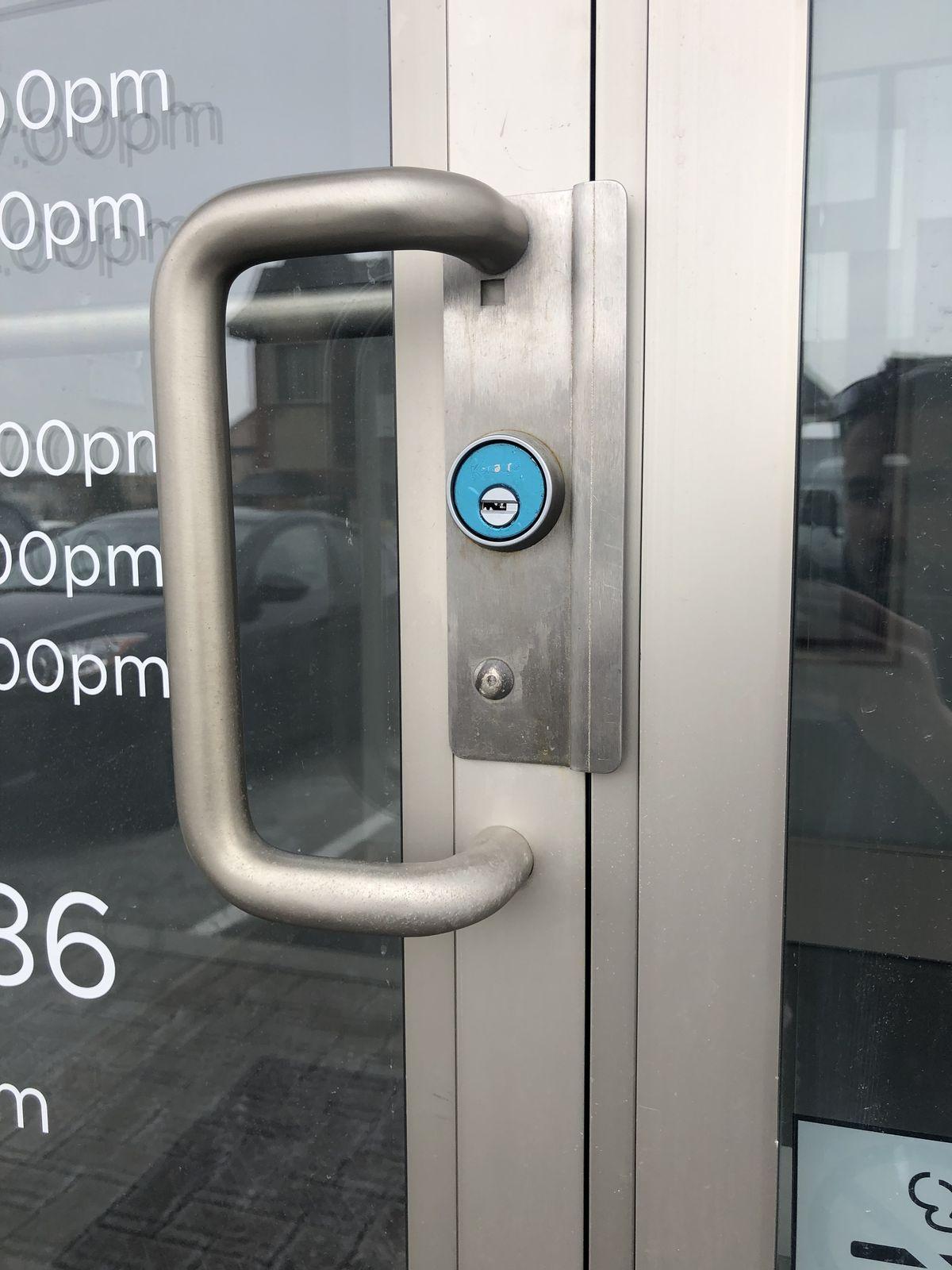
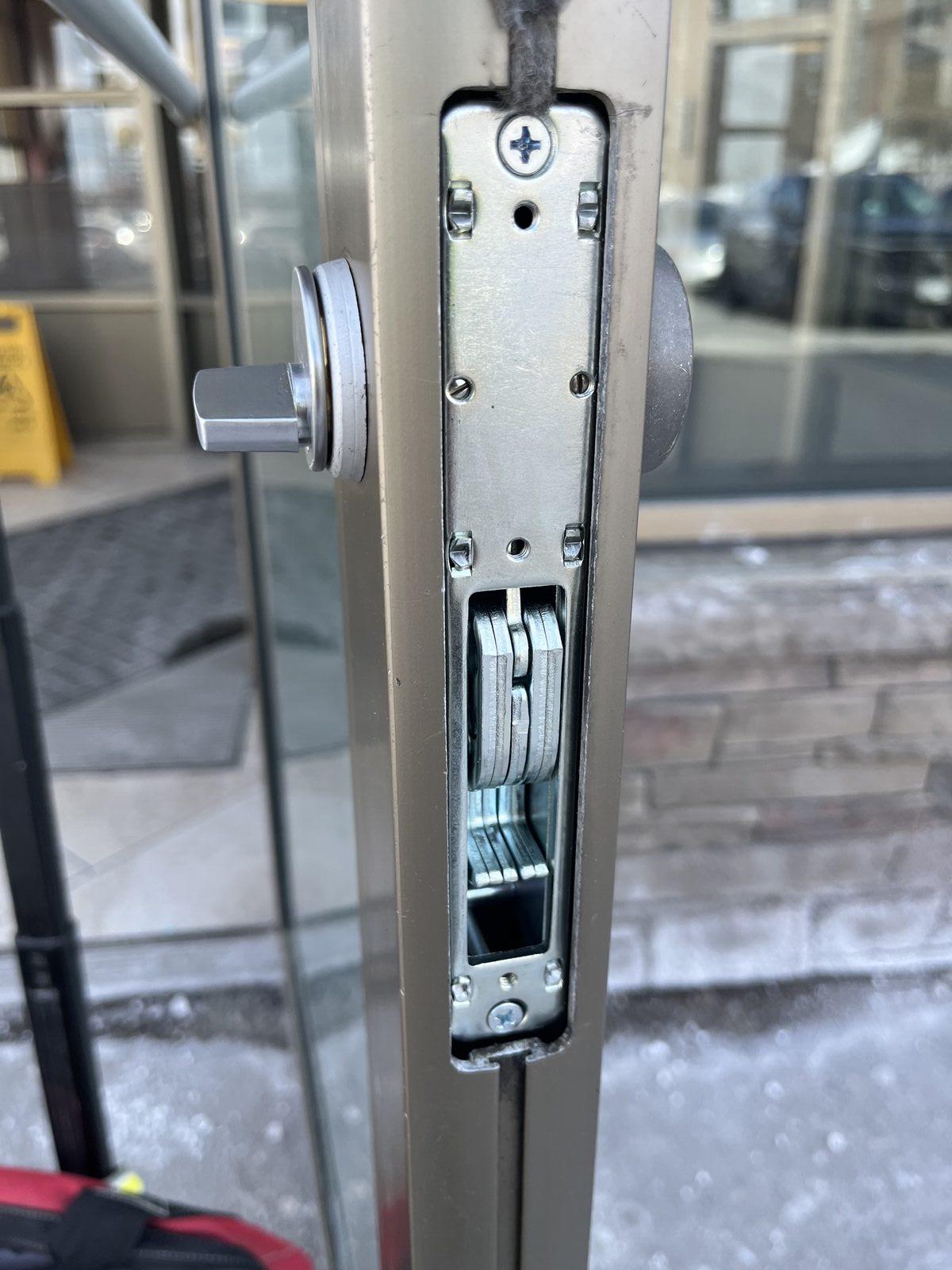
High-security lock cylinder
More Than a Marketing Term
"High-security" gets used loosely in hardware store aisles, sometimes attached to locks that don't offer much more than a standard deadbolt with a fresh coat of paint. Genuine high-security locks meet specific, measurable standards around resistance to picking, drilling, bumping, and forced entry, and understanding what actually separates a high-security lock from a standard one helps you make a more informed decision, whether you're upgrading after a break-in or simply want stronger protection from the start.
Restricted Keyways
One of the defining features of a genuine high-security lock is a restricted keyway, meaning the key blank itself is patented and can't be freely duplicated at a hardware store or big-box retailer. Copies can only be made by an authorized locksmith, often requiring identification or proof of ownership. This closes a surprisingly common security gap: a homeowner losing track of who's had a key copied over the years, since with a restricted keyway, unauthorized copying simply isn't possible through normal channels.
Pick Resistance
Standard residential locks use relatively simple pin configurations that an experienced person with picking tools can defeat in a short amount of time. High-security locks incorporate more complex pin structures, sometimes with additional security pins designed specifically to give false feedback to picking tools, making the lock significantly more time-consuming and difficult to manipulate without the correct key.
Drill Resistance
Genuine high-security locks include hardened steel inserts around the cylinder specifically designed to resist drilling, a common technique used to bypass a lock by destroying the pin mechanism entirely rather than picking it. A standard lock can often be drilled through in under a minute with the right tool. A quality high-security lock is built to resist this for significantly longer, which matters because most opportunistic break-in attempts won't persist past a certain point.
Bump Key Resistance
Lock bumping, a technique using a specially cut key and a sharp strike to force pins into alignment, became widely known enough that it prompted real changes in lock design. High-security locks typically incorporate features specifically intended to defeat bump key attacks, whether through irregular pin heights, security pins, or entirely different locking mechanisms that don't rely on the same pin-and-tumbler design bump keys are built to exploit.
Reinforced Construction
Beyond the cylinder itself, high-security locks are typically built with reinforced bolts, thicker faceplates, and hardware designed to resist the kind of forced kick-in attempts that can defeat a standard deadbolt regardless of how good the cylinder is. The strongest cylinder in the world doesn't help much if the bolt itself can be sheared off with enough force, so genuine high-security systems address the whole assembly, not just the part you turn a key in.
Who Should Consider High-Security Locks
High-security locks make the most sense for homeowners who've experienced a break-in or attempted break-in, properties in areas with higher reported break-in activity, home offices or spaces storing valuables or sensitive documents, rental properties where landlords want stronger protection without relying on tenants to manage additional security measures, and anyone who simply wants the strongest available option regardless of specific risk factors. It's also worth considering for commercial properties where a business owner wants tighter control over who can have keys copied, which the restricted keyway feature directly supports.
Cost Versus Value
High-security locks cost more than standard deadbolts, both in hardware and installation, but the value proposition is straightforward: meaningfully better resistance to the most common methods of defeating a lock, for a single upfront cost rather than an ongoing expense. For homeowners weighing the cost against a potential break-in, or business owners protecting valuable inventory or equipment, the math tends to favour the upgrade.
Final Word
A genuine high-security lock is a meaningfully different product from a standard deadbolt, not just a marketing label. Restricted keyways, pick and drill resistance, and reinforced construction together provide real protection against the most common ways locks get defeated, and for many Ottawa homeowners and business owners, the upgrade is well worth the cost.
Can-Lock Security supplies and installs genuine high-security locks for homes and businesses across Ottawa, including Kanata, Nepean, Barrhaven, Stittsville, and Orleans, as well as Arnprior, Renfrew, and the GTA including Toronto, Mississauga, and Vaughan. Talk to us about which high-security option is right for your property.
Ottawa: 613-908-8815 | Toronto/GTA: 647-975-1702
Suggested internal links: High-Security Locks, Residential Locksmith, Commercial Locksmith, Lock Replacement, Rekeying
FAQs
Open a question for a short answer.
Not necessarily. Genuine high-security locks meet specific standards around pick, drill, and bump resistance, and restricted keyways. A locksmith can confirm whether a specific product genuinely meets those standards.
Most standard exterior doors can accommodate high-security locks, though a locksmith should confirm fit and compatibility with your specific door and frame.
Yes, typically a restricted keyway key that can only be duplicated by an authorized locksmith, which is part of what makes them more secure.
They're worth considering for any homeowner who wants stronger protection, not just those who've already experienced a break-in. The upgrade provides meaningful value for a one-time cost.
Costs vary by manufacturer and model, but high-security locks generally cost more upfront than standard deadbolts, reflecting the additional engineering and restricted key control.
Educational video: “ID EVERY Type of Lock” (not affiliated with Can-Lock Security).