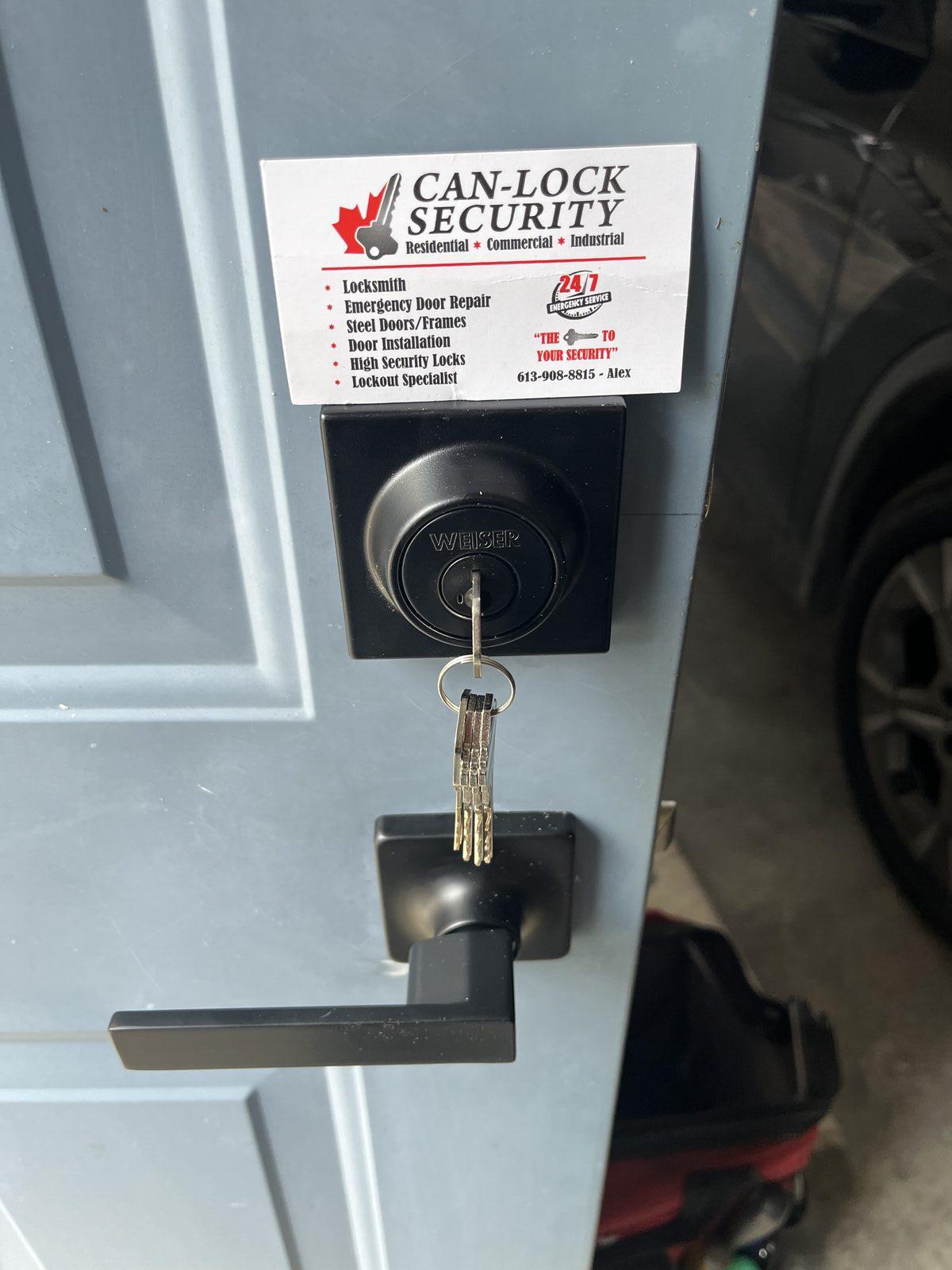
Lock security doesn't typically appear on a standard closing checklist, and it's rarely the seller's or buyer's first thought amid inspections, financing, and paperwork. But it's a genuinely useful thing for a realtor to understand and be able to speak to, since clients on both sides of a transaction often have real, unaddressed questions about it.
What Sellers Should Understand About Lockbox Access
A lockbox used during the listing period means, by definition, that a real number of people have had access to the property's key or code over the course of the listing — other agents, potential buyers, sometimes inspectors or contractors. This isn't unusual or a problem in itself, but it's worth flagging to sellers that this access history exists, particularly if they're planning to leave existing locks in place for the new owner rather than assuming the buyer will handle it themselves.
What Buyers Should Understand About a Resale Home's Key History
A resale home almost always comes with an unknowable key history — spares cut for family, past tenants, contractors, or a neighbour who used to check on the place. This isn't specific to any one property; it's simply the reality of buying a home that's had at least one previous owner. Advising a buyer to plan for a rekey shortly after closing, rather than assuming the keys handed over at closing represent the only working copies, is a genuinely useful piece of guidance that many buyers haven't considered.
The Practical Timing Question
The cleanest approach is booking a rekey to happen as close to the actual possession date as possible, ideally the same day or within a day or two, so there's minimal window where the property is accessible to anyone beyond the new owner. This is easier to arrange than most buyers assume, and it's a straightforward thing to mention as part of a post-closing checklist you provide.
Rekeying vs. Full Lock Replacement: A Distinction Worth Explaining to Clients
Buyers sometimes assume a security reset after purchase means replacing every lock in the house, which is more expensive and time-consuming than what's actually needed in most cases. Rekeying resets which keys work on the existing hardware without touching the physical lock or its appearance, and it's almost always sufficient unless the existing hardware is genuinely worn, damaged, or the buyer specifically wants to upgrade the style or security grade. Being able to explain this distinction accurately helps set realistic expectations.
Garage Door Codes and Remotes Deserve the Same Consideration
It's easy to focus entirely on physical door keys and overlook garage door openers, which raise the identical concern — an unknown number of remotes or a shared code that's never been reset. Most garage door openers can be reprogrammed relatively easily, and it's worth including this in the same conversation as rekeying the home's locks.
Smart Locks and Security Systems: A Growing Consideration
An increasing number of resale homes come with a smart lock, video doorbell, or security system already installed, and these raise questions standard locks don't — account ownership, whether the system needs to be transferred or reset, and whether the previous owner retains any remote access after closing. This is worth flagging specifically to buyers purchasing a home with this kind of installed technology, since simply changing physical locks doesn't address digital access.
A Simple Checklist Worth Sharing With Buyer Clients
Book a rekey to happen at or immediately after possession. Confirm how many keys and fobs were provided at closing versus how many might genuinely still exist. Reset or reprogram the garage door opener if applicable. If the home has a smart lock or security system, confirm account access has been fully transferred or reset, not just the physical hardware. Consider whether a broader security assessment makes sense, particularly for a larger or older property.
Why This Is Worth Building Into Your Client Communication
Clients generally appreciate practical, specific guidance that goes beyond the transaction paperwork itself, and lock security is a genuinely useful thing to be able to speak to confidently. It doesn't need to be complicated — a short mention at the right point in the process, with a clear recommendation, is usually all that's needed to help a client take care of something they likely hadn't thought through on their own.
If you work with clients who need this handled quickly around a closing date, our New Home Move-In Rekey page covers how we typically schedule around possession timelines.