Ottawa, ON's residential neighbourhoods span everything from century-old homes in established areas to newer subdivisions still being built out, and a house lockout call looks a little different depending on which kind of property you're standing outside of. What stays consistent is the approach: check every real entry point, default to non-destructive methods, and get you back inside without unnecessary damage or expense.
Why We Walk the Property First
A single-family Ottawa home typically has more than one exterior door, and it's genuinely common for a homeowner locked out of the front to have forgotten a back door was left unlocked, or that a side entrance's lock has been sticking for months without ever quite failing. Before deciding how to approach the door that's actually keeping you out, we check what other options might already exist.
What Actually Causes Most Ottawa House Lockouts
A door that locks automatically the moment it closes, with keys left inside. Keys lost during a day out, whether downtown, at work, or running errands across the city. A key that's snapped off in a lock, more common with older or worn hardware. A lock that's jammed or seized, sometimes worse in genuinely cold Ottawa winters when materials contract and moisture can freeze inside a mechanism. A door locked accidentally from the inside.
Why Ottawa's Winters Are Worth Mentioning Specifically
A lock that's already slightly worn or misaligned tends to get harder to operate once temperatures drop well below freezing, and a lockout in the middle of a genuinely cold Ottawa winter carries urgency beyond just inconvenience. We treat these calls as a real priority, particularly when the weather itself becomes part of the problem.
What to Check Before Calling
Every other exterior door on your property, even ones you don't typically use. A garage entrance, if the opener still has power and you can access a keypad or remote. Any window you know for certain is unlocked, without forcing anything or risking injury. If none of these work out, that's the reasonable point to call rather than continuing to try increasingly frustrated options on your own.
Why We Default to Non-Destructive Entry
The large majority of house lockouts across Ottawa can be resolved by working the existing lock open with proper tools and technique, without drilling or prying anything. Your current keys keep working afterward exactly as they did before, and there's no repair cost stacked on top of the visit itself. We only move to destructive entry when a lock's actual condition leaves no other reasonable option, and we'll explain that decision clearly if it comes to it.
Why Your Home's Specific History Matters
An Ottawa home you've owned for years accumulates its own hardware history — original locks from when the house was built, a replacement door installed by a previous owner, spares cut for family or contractors over time that nobody's kept track of. This affects both how we approach entry and what's worth considering once you're back inside.
What Happens Once You're Back In
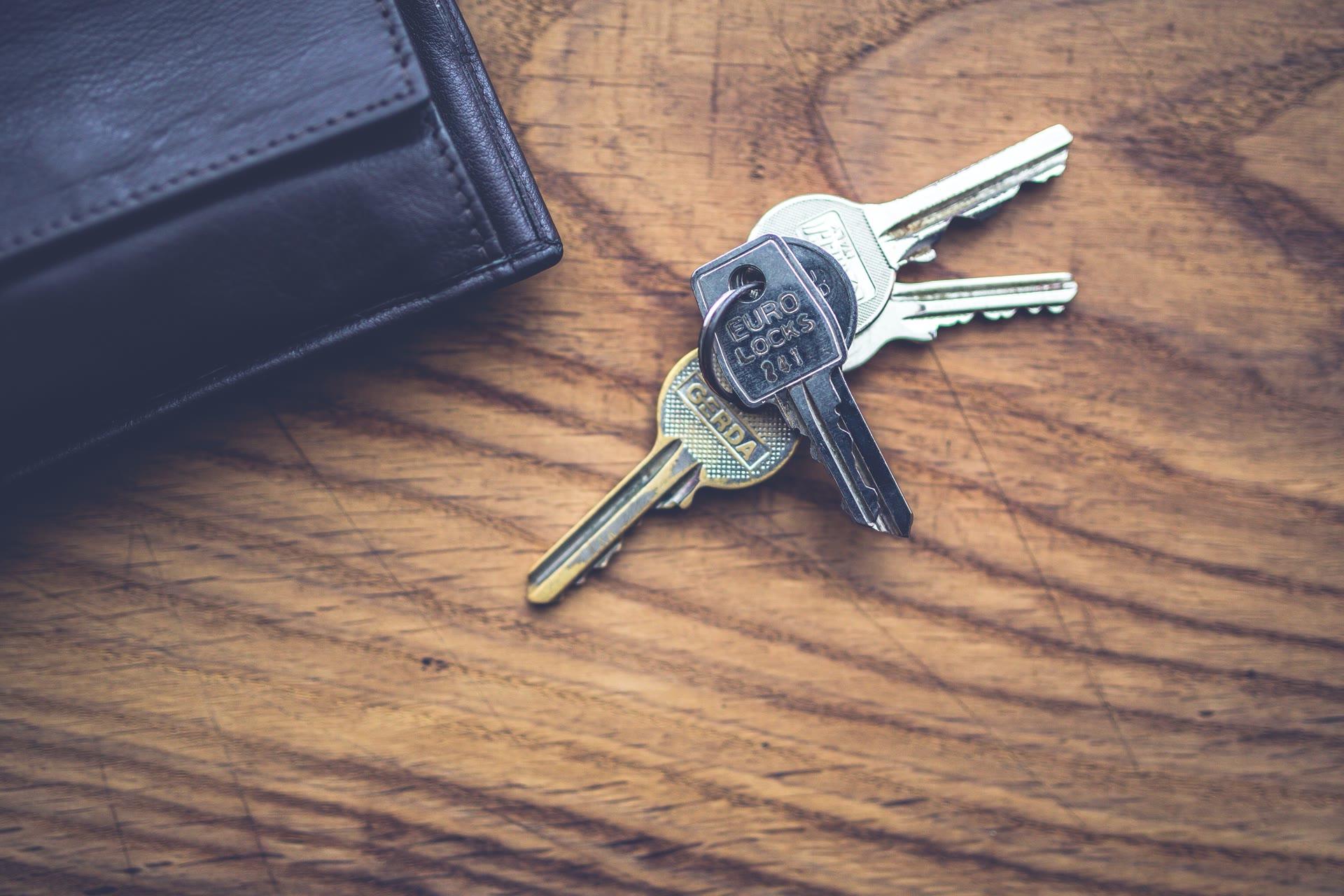
If your key was genuinely lost, not just misplaced somewhere in the house, it's worth having the affected lock rekeyed. There's no way to know for certain where a lost key actually ends up, and rekeying resolves that uncertainty completely. If the lockout revealed a lock that's stiff, worn, or generally overdue for attention, particularly relevant heading into another Ottawa winter, that's worth addressing while we're already there.
Why Ottawa Homeowners Choose Can-Lock Security
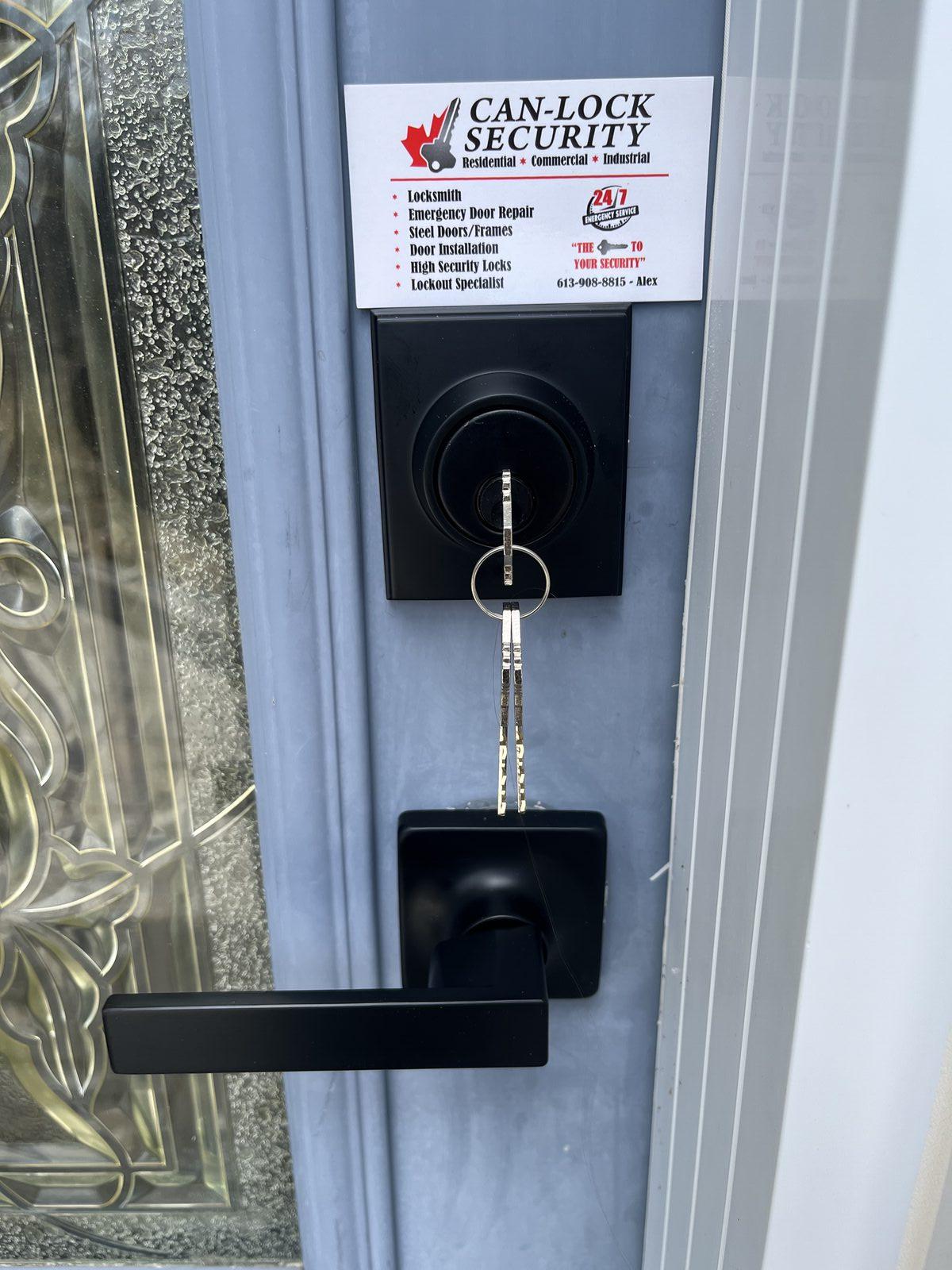
Can-Lock Security is a mobile, family-owned locksmith that treats a house lockout as a genuine priority, checking every real entry point on your property and defaulting to non-destructive methods across every neighbourhood in the city.
Book a House Lockout Service Call in Ottawa
Whatever door is keeping you out, Can-Lock Security can get you back into your home properly, without unnecessary damage. Reach out to schedule.
Related pages: Emergency Lockout Service | New Home Move-In Rekey | Residential Locksmith Services | Deadbolt Installation