- City
- Ottawa, Ontario
- Service performed
- Broken Lock Repair
- Time required
- Typically under 1–2 hours when parts are on hand
- Lock type
- Mortise / cylinder hardware
Problem
Worn or failed cylinder hardware left an opening unreliable — keys fought the mechanism or would not restore solid key control.
Solution
Replaced the cylinder hardware as approved, cut and tested keys on site, and confirmed smooth operation before handoff.
Materials used
- Replacement cylinder
- New keys
- Retaining hardware
What a lock cylinder actually does
The cylinder is the part of the lock that accepts the key and decides whether the rest of the mechanism is allowed to move. In a typical residential or light commercial door, turning the correct key aligns internal pins (or disks, on some designs) so the plug can rotate. That rotation drives a cam or tailpiece that throws a deadbolt, retracts a latch, or operates a mortise case.
When the cylinder wears out, binds, or fails, the door may look fine from the outside while key control is already gone.
Cylinder work is different from replacing an entire lockset. Often the handleset, mortise body, or deadbolt housing is still sound — only the keyed core needs attention. That distinction matters for cost, downtime, and whether matching keys across several doors can stay intact after the repair.
Signs a cylinder needs replacement rather than rekeying
Rekeying changes which key works in a healthy cylinder. Replacement is for hardware that can no longer do its job reliably. Common triggers include a key that turns partway and stops, a plug that spins without moving the bolt, a cylinder face that has been drilled or punched, or pins so worn that even a correctly cut key chatters through the turn.
Keys that have to be lifted, jiggled, or withdrawn slightly before the lock will catch are early wear signals. So is a key that works in one door of a keyed-alike set but fights the others — that pattern often points to uneven cylinder wear rather than a single bad key blank. If the cylinder shell is cracked, the retaining clip is missing, or the plug walks forward when you pull on the key, replacement is usually the honest path.
After a break-in attempt, cylinders are frequently the first component sacrificed. Even when the door still closes, a punched or drilled core leaves the opening insecure until new keyed hardware is installed and tested.
How a typical cylinder replacement visit runs
On site we identify the cylinder format first: rim, mortise, key-in-knob or key-in-lever, euro-profile, or a storefront-style interchangeable core. Length, cam type, and finish have to match the existing prep, or the new cylinder will either stick proud of the rose or fail to drive the lock body correctly.
When the correct blank and length are available, the old cylinder comes out, the new one goes in with the proper retaining screw or clip, and keys are cut and tested on the spot. We cycle the lock from both sides where applicable, confirm the bolt or latch fully seats, and check that the door still closes without binding against the strike — because a fresh cylinder in a misaligned door can feel “stiff” even when the core itself is fine.
If the surrounding hardware is also damaged — a bent cam, stripped set screw, or worn latch — we flag that before finishing so you are not left with a perfect cylinder driving a failing mechanism.
Residential versus light commercial cylinders in Ottawa
Ottawa homes often mix builder-grade deadbolts with older mortise hardware on solid-wood doors, especially in established neighbourhoods. Those older mortise cylinders have their own length and cam conventions; a hardware-store “universal” cylinder is not always a drop-in. Matching the existing keyway when you want other doors left alone, or moving everything to one key, is part of the planning conversation before parts go in.
Light commercial openings — office suites, clinic doors, small retail — more often use interchangeable cores or narrow-stile cylinders. Those formats change how inventory and key control work: a core can sometimes be swapped faster than a full lock rebuild, which matters when a business needs the door secured again the same day.
Winter temperature swings across Ottawa and the Valley add seasonal stress. Cold metal contracts, lubricants thicken, and a marginally worn cylinder that worked in October can stop turning cleanly in January. We see that pattern every year; it does not mean every stiff winter lock needs a full door replacement — it often means the cylinder and alignment need a proper look.
Key control after the new cylinder is in
A replacement cylinder is also a chance to reset who holds working keys. Old keys for the removed cylinder stop mattering once the pins are gone. New keys should be issued deliberately — how many copies, who keeps them, and whether other exterior doors should match.
If you only replace one cylinder in a previously keyed-alike set, that door will no longer share the old house key unless we intentionally cut the new cylinder to match. Tell us which outcome you want: isolated new keys for that door only, or re-coordinating the set so one key still opens everything you expect.
Restricted or high-security cylinders add authorization rules for future duplicates. Those systems are not required for every job, but they are worth discussing when lost keys, staff turnover, or past unauthorized copies are the real reason the cylinder is being changed.
What we avoid inventing on project pages like this
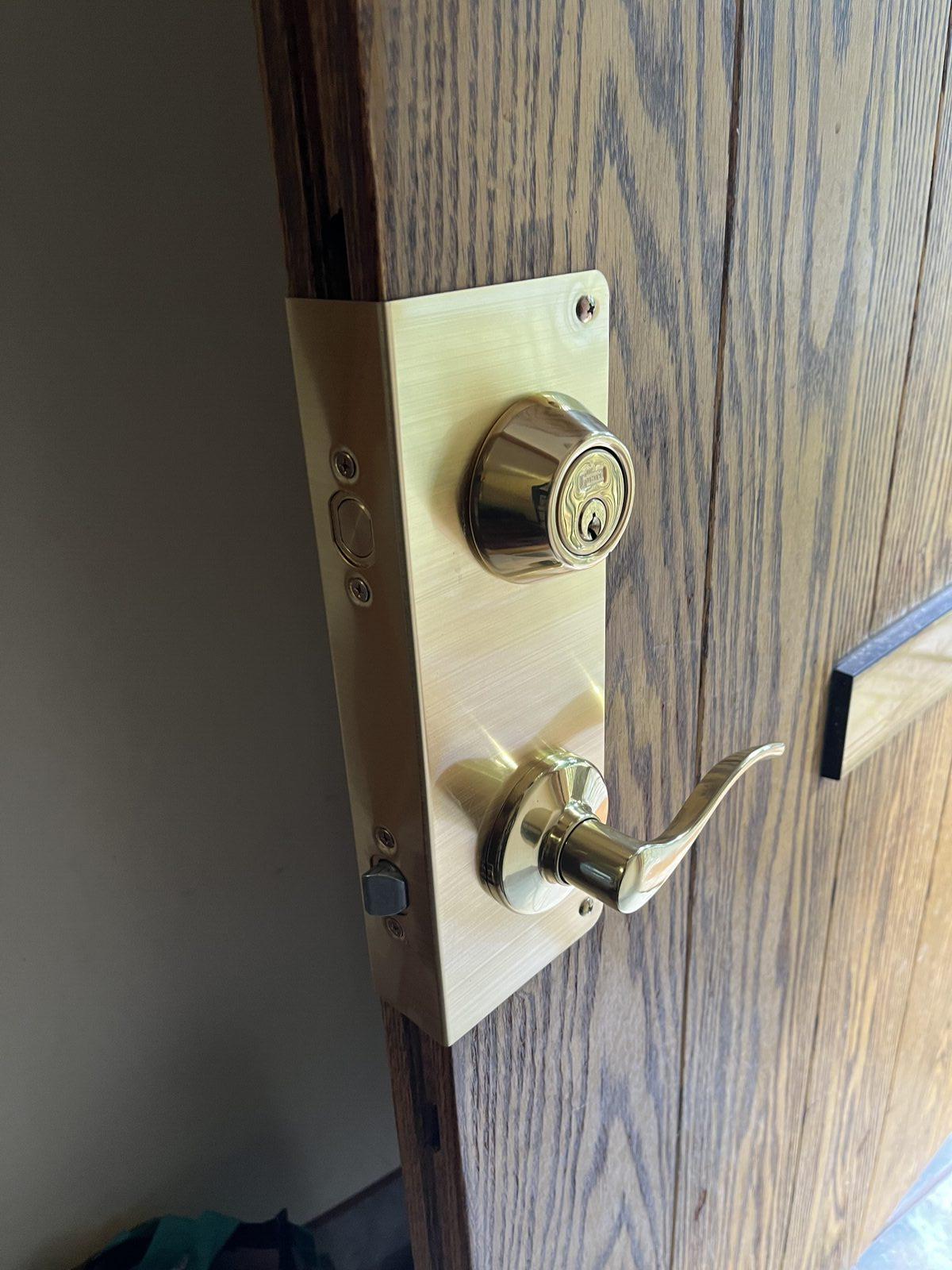
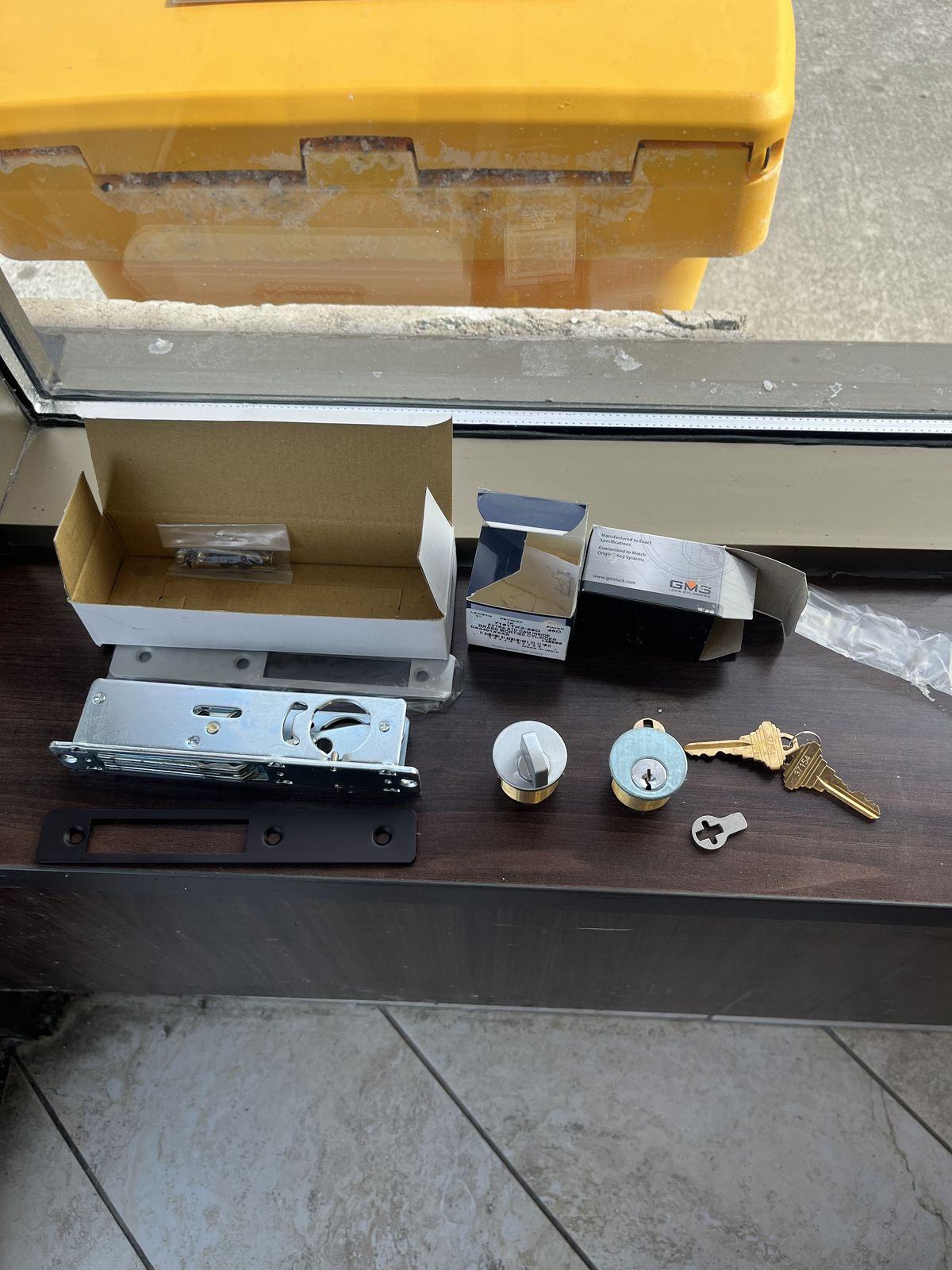
This write-up describes the kind of cylinder work shown in the photo and the process we use on similar Ottawa-area calls. It is not a claim about a named street address, a timed “before/after” marketing story, or a guarantee that every cylinder job finishes in a fixed number of minutes. Door prep, part availability, and how damaged the surrounding hardware is all change the visit.
If you are comparing this project to a service page such as broken lock repair or rekey and installation, use both: the service pages explain the broader offering; this project page shows what cylinder-focused work looks like in practice — diagnosis, matched hardware, on-site keys, and a door that locks the way it should when we leave.
Frequently asked questions
Open a question for a short answer.
No. Rekeying changes the pins inside a serviceable cylinder so a new key works. Replacement swaps the cylinder itself when it is worn, damaged, or the wrong format for reliable key control.
Only if we cut or pin the new cylinder to match them. Otherwise that door gets its own keys. Say which arrangement you want before work starts.
Many straightforward swaps finish within about one to two hours when the correct cylinder and blanks are on hand. Unusual lengths, restricted keyways, or damaged lock bodies can extend that.
Often yes, when the lock body and trim are still sound. We confirm fit and drive engagement before recommending a full lockset change.
We extract what we can, then assess whether the cylinder is still usable. A broken key plus internal damage commonly leads to replacement rather than extraction alone.
Yes. Format identification is part of the visit — residential deadbolt plugs, mortise cylinders, and commercial storefront cores are handled as different hardware families.
If you do not know how many keys exist, rekeying or cylinder replacement on exterior doors is a practical first security step. We assess condition first so you are not paying to rekey hardware that should be replaced instead.