- City
- Ottawa, Ontario
- Service performed
- Panic Bar / Exit Devices
- Time required
- Typically 1–3 hours depending on device type
- Lock type
- Exit device / panic hardware
Problem
A commercial opening needed reliable exit hardware so staff and customers could exit safely while keeping the door secure when closed.
Solution
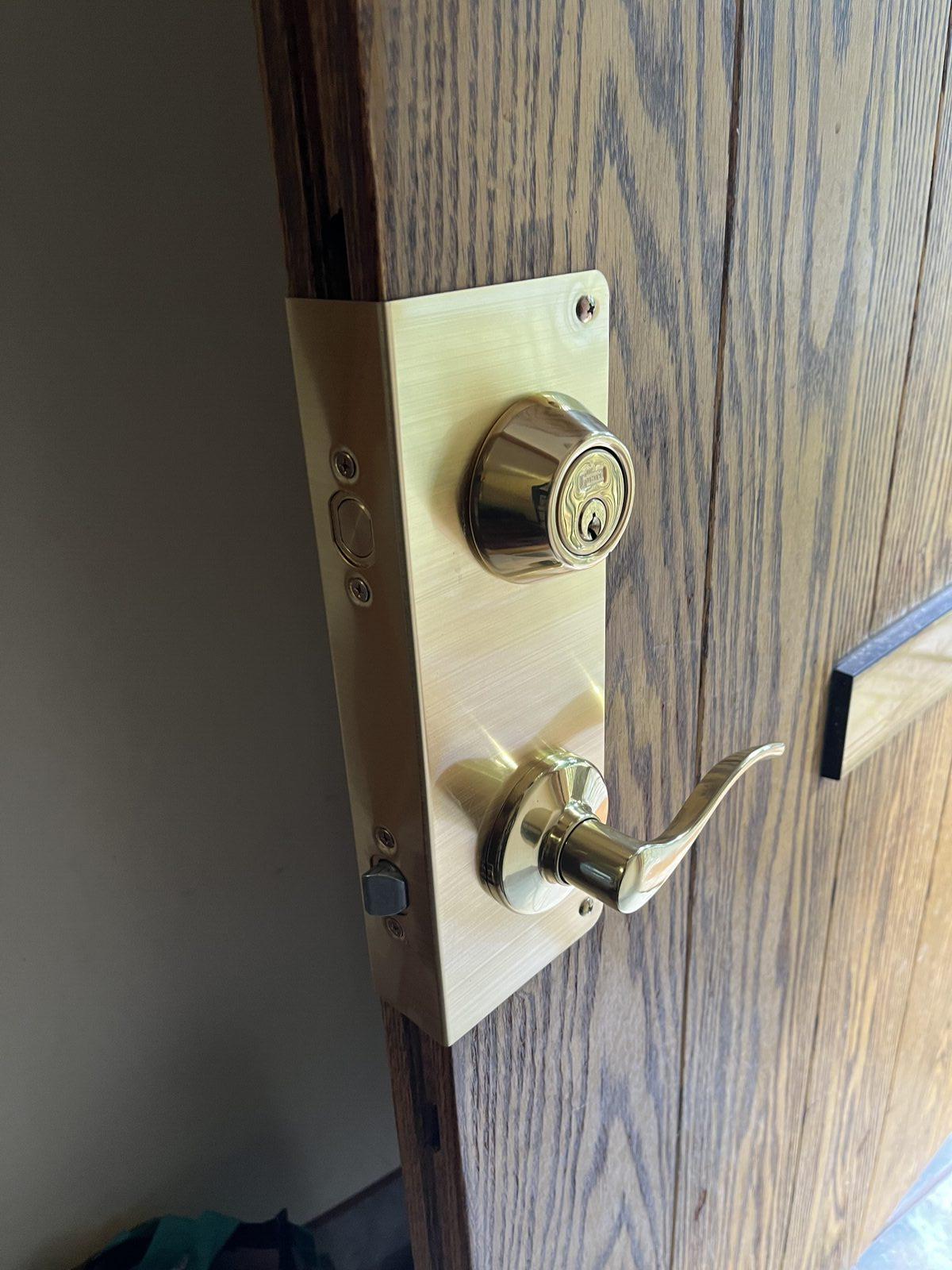
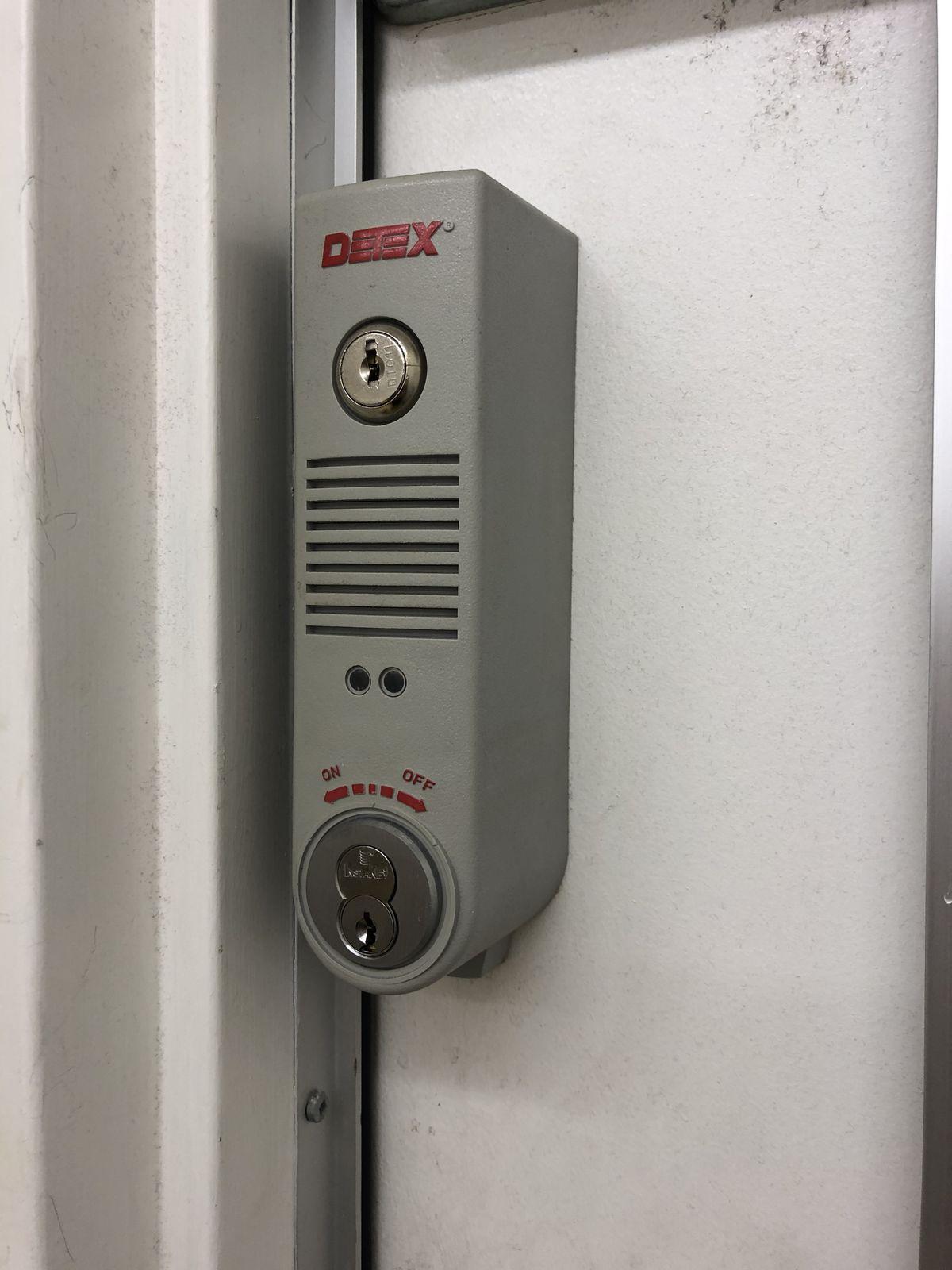
Serviced and aligned exit-device components, verified latching, and confirmed key cylinder function before handoff.
Materials used
- Exit device components
- Cylinder / battery as required
- Fasteners and alignment hardware
Why exit devices get their own category of service
Panic bars and exit devices are life-safety hardware. Their job is to let people leave quickly under stress while still securing the door against inbound entry when the device is armed or dogged correctly. That dual role is why commercial exit hardware is specified, inspected, and serviced differently from a ordinary office passage set.
When an exit device drags, fails to latch, or needs a hard shove to release, staff start propping doors or disabling hardware — both of which create code and insurance problems. Catching wear early keeps the opening legal and usable.
What we check on a commercial exit device visit
We look at mounting rigidity, end-cap and channel condition, latch bolt engagement into the strike or mullion, and whether the device retracts fully with light pressure across the touchpad or crossbar. Vertical rod devices add top and bottom latch timing; a rod that is even slightly out of adjustment will latch at one end and miss at the other.
Outside trim and rim or mortise cylinders get checked too. A door that exits freely but will not secure from the exterior is still a failed opening for a business. Dogging mechanisms (hex or cylinder dogging) are verified so daytime hold-open behaviour matches how the client actually uses the door.
Door closers paired with exit devices are part of the same story. A closer that slams or stalls changes how the latch hits the strike and accelerates wear on the exit device itself. We note closer issues even when the call was booked as “panic bar only.”
Service versus replacement on Ottawa commercial doors
Many calls are service: tighten mounting, replace worn latch heads or springs, realign strikes, lubricate appropriately, and confirm cylinder operation. Replacement enters when the device body is cracked, rods are bent beyond honest adjustment, or the model is obsolete and parts are no longer practical to source compared with a current listed device.
Fire-rated openings and labelled doors constrain which replacement devices and trims are acceptable. We do not treat a fire door like a storage-closet gate. If labelling, door thickness, or frame conditions limit options, that shows up in the recommendation before parts are ordered.
Retail, clinics, schools, and light industrial spaces around Ottawa each stress hardware differently — high cycle counts at lunch rushes, delayed egress concerns, or exterior weather exposure on rear exits. The mechanical checklist stays similar; the usage pattern changes which components fail first.
Key cylinders on exit trim
Outside key control on an exit door is often a rim or mortise cylinder in the trim. Worn cylinders, lost keys, or staff turnover are frequent reasons an exit-device call expands into cylinder work. Rekeying or replacing that cylinder restores exterior security without necessarily replacing the entire exit device when the device itself is sound.
Master-key or keyed-alike plans for multiple exits should be decided before cylinders are pinned. A single rear exit changed in isolation can break a building’s existing key hierarchy if nobody flags it.
After service: what “done” looks like
A finished exit-device service means the door latches positively every close, exits with predictable light pressure, and secures from the outside with the correct key or credential. We cycle the opening repeatedly, not once. Staff should not need a hip-check or a second pull to make the latch catch.
We hand off any dogging keys or hex tools and note obvious misuse patterns (wood wedges, tape over latches) so managers can address habits that undo the repair. This project illustrates commercial exit-device work of that type — alignment, latching, and cylinder function verified together — without inventing a client name or building address.
Frequently asked questions
Open a question for a short answer.
Both. Hard egress slows evacuation, and doors that will not latch leave the building open. Sticky exit hardware deserves prompt service.
often the device and related hardware are serviced or replaced independently of the door leaf, unless the door itself is damaged beyond use.
Yes. Rod timing and top/bottom latch engagement are a normal part of commercial exit-device service.
We service and replace with attention to listed hardware on labelled openings. Final code acceptance for a major change may still involve the building’s own compliance process.
Many service visits land in roughly the one-to-three-hour range depending on device type, whether parts are on the truck, and how many related issues (closer, strike, cylinder) appear on inspection.
Often yes when the cylinder format is standard and blanks are available. Restricted systems may need ordered cores or authorized keying.