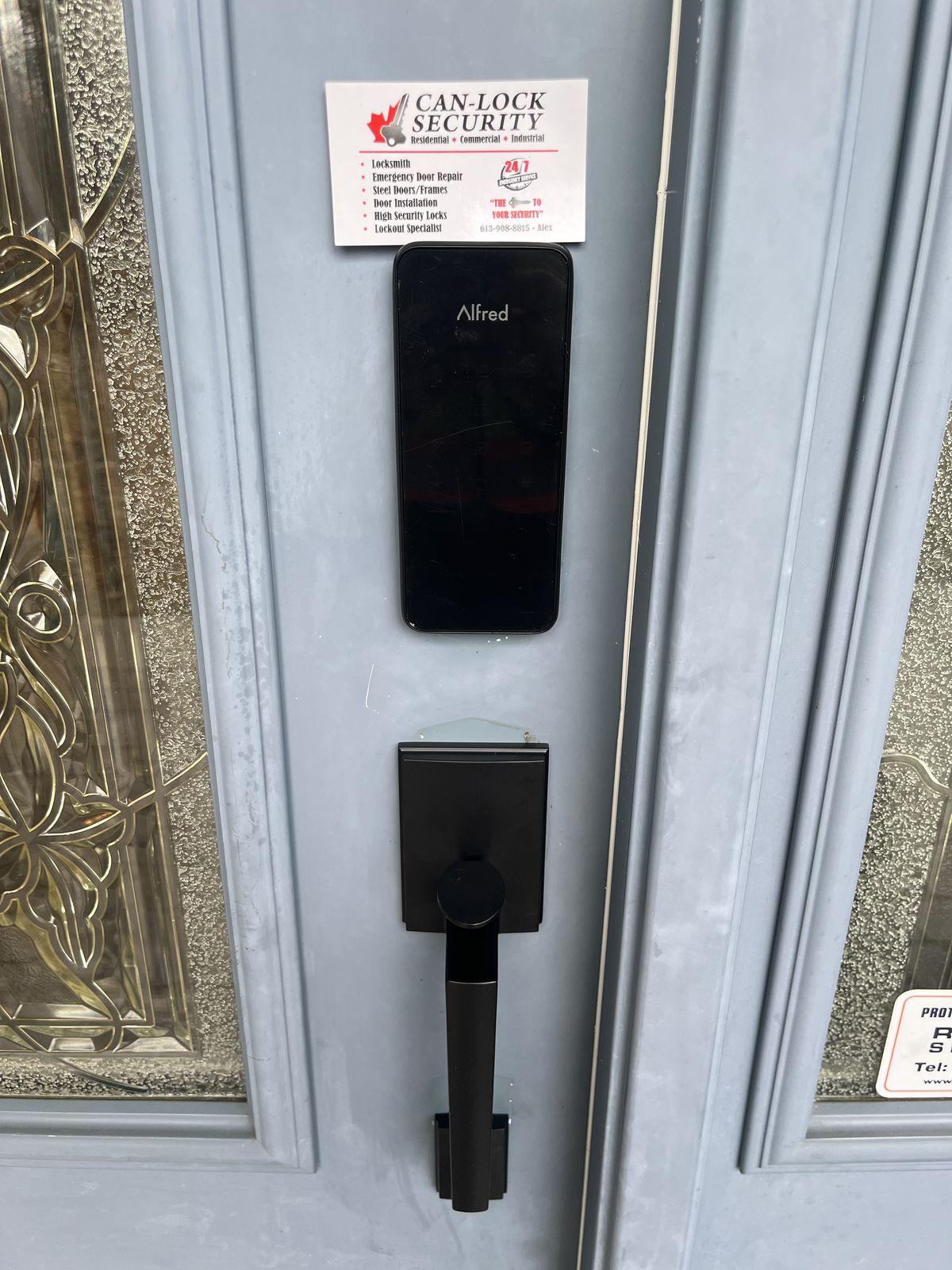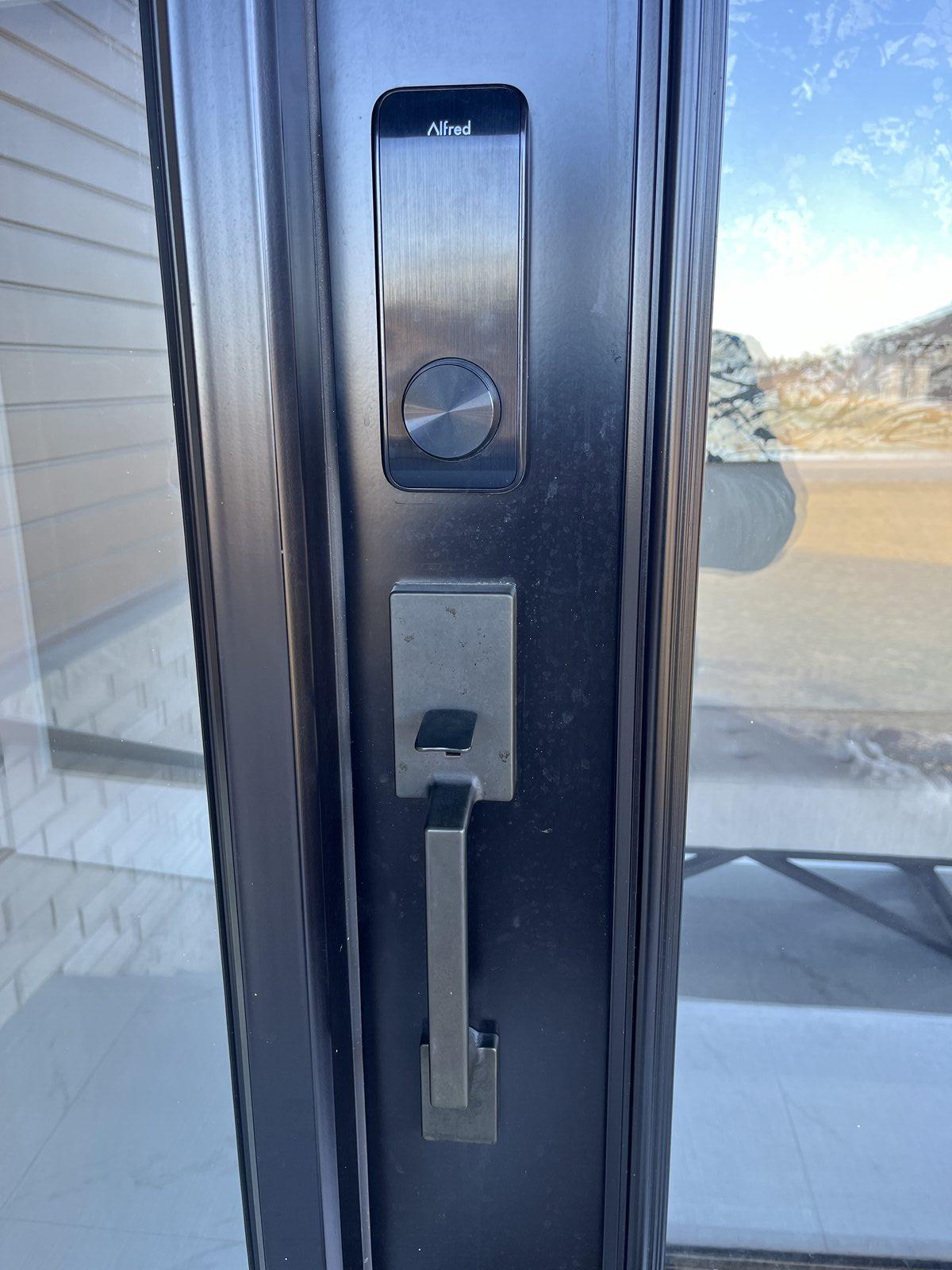
Toronto, ON's housing stock spans everything from high-rise condo towers to century-old detached homes to rental units in converted buildings, and a smart lock conversation genuinely looks different depending on which category your specific door falls into. Can-Lock Security installs and configures smart locks across this full range, checking compatibility and, where relevant, building rules before recommending anything.
The Condo and High-Rise Question
A significant share of Toronto's housing is in condo buildings, and a lot of those buildings have their own rules around exterior-facing hardware — sometimes requiring board approval, sometimes restricting which models are considered acceptable. This isn't universal, and plenty of buildings have no restrictions at all, but it's worth checking your specific building's policy before purchasing a particular smart lock rather than after. We can help you think through what would work within whatever rules your building has.
What Actually Changes at the Door
The mechanical function of the lock stays the same as any traditional deadbolt — it still extends into the frame exactly the way it always has. What changes is how it's triggered: a code, an app, a fob, sometimes a fingerprint. Nearly every model retains a physical key override, so a dead battery doesn't leave you stuck in a hallway or on a porch.
Detached and Semi-Detached Homes Are a Different Case
Toronto's older detached and semi-detached homes, particularly in more established neighbourhoods, sometimes have doors and frames that have settled over decades, which can affect backset and strike plate alignment for certain smart lock models. We check this directly rather than assuming a Toronto address means standard modern hardware.
Why People Actually Make This Switch in a City This Size
Managing a rental property without cutting and tracking physical keys for every tenant change, particularly relevant given how much of Toronto's housing is rented. Wanting to grant a dog walker, cleaner, or contractor access without a spare key that has to be tracked down in a busy schedule. Simply wanting to stop carrying a key ring through a day that already involves transit, an office badge, and enough else to manage.
What the Installation Visit Actually Involves
Confirming your door and, where applicable, your building's policies are compatible with the system you're considering. Removing old hardware where applicable. Installing the new lock mechanically. Configuring codes, app access, or fob programming. Testing for reliable, consistent engagement. And a walkthrough of ongoing management so you're not left guessing afterward.
Why Response Time and Access Planning Matter More in a City This Size
Getting a technician to a specific address in Toronto can depend more on location and traffic than it might elsewhere, and for condo or apartment installations, coordinating building access — a concierge, a service elevator, a specific notification requirement — is worth planning before the visit rather than figuring out at the door.
Why We Don't Push One Product Regardless of Building Type
A single condo owner has different needs than a landlord managing several rental units across the city, which is different again from a homeowner in a detached house wanting simple personal convenience. We ask what you're actually trying to accomplish, and what your specific building allows, before recommending anything.
Why Toronto Residents Choose Can-Lock Security
Can-Lock Security is a mobile, family-owned locksmith comfortable navigating condo building policies alongside more straightforward work in Toronto's detached and semi-detached housing. We check both door compatibility and building requirements honestly.
Book Your Toronto Smart Lock Installation
Condo tower, detached home, or rental property, Can-Lock Security can confirm what actually works for your specific situation. Reach out to schedule a consultation.
Related pages: Access Control Systems | Deadbolt Installation | Residential Locksmith Services | Master Key Systems